
 London Squint Clinic
 London Squint Clinic
I am extremely happy with the result of my squint surgery and would highly recommend Mr Ali. I am an adult who had never experienced any symptoms or ...
 Posted on Google

I was understandably apprehensive about getting eye surgery, but Mr Ali really lived up to his incredible reputation. I was referred to him by the Bel...
Posted on Google

I recently had surgery at the London Squint Clinic for a squint I had since childhood. From my first consultation to the day of surgery everything was...
Posted on Google

I had squint surgery a few weeks ago and could not be happier with the results, it has transformed my life. Initially I was apprehensive at having sur...
Posted on Google

I had double vision that was getting increasingly worse. I have to admit that I was sceptical about what could be achieved and Mr Ali was always hone...
Posted on Google


Reclaim single vision
Imagine being able to wake up and see everything clear and single. No more double objects, blur, difficulty judging distances, tackling steps, problems reading. No more confusion from things on the side appearing in front of you. We take single vision for granted. Only people with double vision appreciate what it would mean to get that back.


Remember the life you used to have
Get back to enjoying all the things which double vision took away: reading for pleasure, outdoor activities, sports, driving. Double vision doesn’t just affect your eyes, it constricts your life. And you get used to it just because you have to. But with double vision surgery you can once more live the life you used to enjoy.
Throw away your prism glasses
Prism glasses can be good for some people. But for others they are just a pain. They don’t fix the problem in different directions or distances. They don’t work great for when you are moving about. Costly, thick, heavy and always need updating. And once you are in them, you are trapped. Unless you have double vision surgery. Most of our patients can get rid of their prism glasses after surgery and return to how they used to see before: no-prism glasses, contact lenses, or nothing.


DOUBLE VISION SURGERY OFFERS HOPE
When our patients are first told that they can have double vision surgery, it is often a very emotional moment. Finally they have hope that their double vision will come to an end and they can get back to a normal life.
Weekend & Evening Video Consultations Available

Remember the life you used to have
Get back to enjoying all the things which double vision took away: reading for pleasure, outdoor activities, sports, driving. Double vision doesn’t just affect your eyes, it constricts your life. And you just get used to it because you have to. But with double vision surgery you can once more live the life you used to enjoy.
Throw away your prism glasses
Prism glasses can be good for some people. But for others they are just a pain. They don’t fix the problem in different directions or distances. They don’t work great for when you are moving about. Costly, thick, heavy and always need updating. And once you are in them, you are trapped. Unless you have double vision surgery. Most of our patients can get rid of their prism glasses after surgery and return to how they used to see: no-prism glasses, contact lenses, or nothing.
Meet your surgeon
Our Patients’ Double Vision Surgery Stories


People who do their homework choose us.
Here’s 9 reasons why.
1. The specialists
We are the UK’s only clinic exclusively for squint and double vision.
2. Ultra expertise
Mr Ali is one of just a few surgeons in the world who does nothing but squint and double vision surgery in adults. Most other squint surgeons do mainly children and adults on the side.
3. Experience
Mr Ali has 24 years of surgical experience, covering the most simple to the most complex cases.
4. Stellar patient satisfaction
Our Google reviews are unrivalled. We love our patients and they love us. Read them all here
5. Self-refer, self-pay
You don’t need a referral. Simply book a video or in-person appointment to get things started. We are a 100% self-pay clinic.
6. Short waits
We can offer your life-changing surgery within 4 weeks.
7. Advanced techniques
Squint and double vision surgery is an art as well as a science. Mr Ali continues to refine his own unique techniques to maximise safety and success.
8. Industry-leading results
Our audited success rate for alignment is >95% from our peace-of-mind surgical package.
10. VIP access to your surgeon
Our patients love that they get 24/7 access to Mr Ali by WhatsApp during your recovery. And life-long contact with him for eye advice.
An international centre of excellence
These are real locations of our recent patients.
Wherever you are in UK or the world, we can see you by video then arrange your surgery in London.


3 easy steps to free yourself from double vision
Living with double vision can really impact your life.
We’re here to help make that a thing of the past.


MAKE AN APPOINTMENT
You’ve suffered for years. Now’s the time to end that. Book a video or in-person appointment.


MEET YOUR SURGEON
At your appointment, Mr Ali will discuss your double vision issues and answer any questions that you have.
You’ll leave knowing if you can finally have the surgery you want.


ENJOY YOUR NEW LIFE
The number one thing we hear from our patients after surgery is:
“You have honestly changed my life.”
And the number two thing is:
“Why didn’t I have this done sooner?”
So bite the bullet and start your journey today!
Double vision surgery Frequently Asked Questions
Further information on double vision
Read these articles by the London Squint Clinic team
When Can You Return to Driving, Work, and Exercise After Double Vision Surgery?
Navigating recovery after double vision surgery involves understanding when it's safe to resume daily activities. This post provides expert guidance on returning to driving, work, and exercise, ensuring a smooth transition back to independence and single vision. Adhering to post-operative instructions is crucial for optimal healing.
Understanding Hospital, Surgeon, and Anaesthetist Fees in Your Package
A surgical package bundles the primary costs of a procedure into a single, transparent price, typically including fees for the surgeon, anaesthetist, and hospital facility. This guide decodes your surgery package, explaining each component to ensure clarity and peace of mind regarding your private medical care.

Managing Post-Operative Discomfort: What to Expect with Pain, Redness, and Grittiness
Mild-to-moderate discomfort, redness, and a gritty sensation are common after diplopia surgery. This post explains what to expect during recovery and provides expert advice on managing these post-operative symptoms effectively. Understand the healing process and when to seek further advice.
What Is Included in a Private Diplopia Surgery Package? A Line-by-Line Explanation
A private diplopia surgery package offers an all-inclusive pricing structure, bundling surgeon, anaesthetist, and hospital fees into one transparent cost. Understand every component, including comprehensive post-operative care, to ensure financial clarity and avoid unexpected bills on your journey to clearer vision.
Recovery After Diplopia Surgery: A Week-by-Week Timeline
Recovery from double vision surgery involves physical eye healing and neurological brain adaptation. This guide provides a detailed week-by-week diplopia surgery recovery timeline, helping you understand each phase and manage expectations for a smooth journey to single vision.

Private Double Vision Surgery Cost in the UK: A Complete Investment Guide
Understand the private double vision surgery cost in the UK with our comprehensive guide. We detail the factors influencing your investment and what's included in a specialist consultant-led package. Discover the value of expert double vision correction.

Your Complete Guide to Recovery and Life-Changing Outcomes After Diplopia Surgery
Successful diplopia surgery recovery involves careful post-operative care and specialist management. This guide details your journey, from initial healing to the profound, life-changing outcomes of achieving lasting single vision. Discover what to expect and how expert care ensures the best results.
Our 24/7 WhatsApp Support: How We Help You Through Recovery
Our 24/7 WhatsApp support offers patients a direct, secure line to Mr. Nadeem Ali post-surgery. This ensures immediate expert reassurance and guidance for any concerns after adult squint or double vision surgery, fostering a more confident recovery.

Managing Post-Operative Discomfort and Eye Redness
Mild to moderate post-operative eye discomfort is normal after adult squint or double vision surgery. Learn what to expect, how to manage redness and swelling, and when to seek expert advice for a smooth recovery. Understand the normal healing process from a specialist's perspective.

Surgical Approaches for Correcting Vertical Double Vision (Hypertropia)
Vertical double vision surgery corrects hypertropia, a condition where one eye is higher than the other, causing debilitating double vision. This post details the causes, key surgical approaches, and what to expect during recovery. Learn how specialist expertise can provide lasting relief.

Recovery After Diplopia Surgery: A Week-by-Week Timeline
Understanding your recovery after diplopia surgery is crucial for successful healing. This guide provides a week-by-week timeline, detailing what to expect, how to manage symptoms, and when you can safely return to daily activities. Prepare for a smooth journey back to single vision.
The Diagnostic Tests Used to Measure Eye Misalignment for Surgery
Successful adult squint or double vision surgery hinges on precise diagnosis. Diagnostic tests for eye misalignment quantify deviation, assess eye muscle function, and understand eye coordination. This crucial data forms the blueprint for effective surgical planning and optimal outcomes.
Comparing Surgical Techniques for Different Types of Diplopia
Diplopia, or double vision, can be disruptive, affecting balance and depth perception. This post explores various surgical techniques for diplopia, tailored to different conditions. Discover how expert assessment leads to personalized solutions for clear, single vision.
Preparing for Your Video Consultation for Double Vision Surgery
Preparing for a video consultation for double vision surgery is crucial for a productive assessment. This guide outlines what to expect, how to prepare your medical history, and what Mr. Ali can assess remotely. Understand the next steps after your virtual appointment.
Your Initial Consultation: What to Expect When You Meet Mr. Ali
An initial consultation with Mr. Ali is a crucial 60-minute diagnostic appointment. It measures eye misalignment, determines the cause of double vision or squint, and establishes if surgery is appropriate, forming the basis of your personalized treatment plan. Understand what to expect and how to prepare for this specialist evaluation.

The ‘Fine-Tuning’ Process: What Happens During Post-Operative Suture Adjustment?
Post-operative suture adjustment is a crucial refinement after squint surgery, allowing precise corrections for optimal eye alignment. This 'fine-tuning' process ensures single vision and cosmetic symmetry, enhancing life-changing outcomes for patients. Learn how expert precision matters.

Questions to Ask Your Surgeon During a Double Vision Surgery Consultation
A consultation for double vision (diplopia) surgery is a discussion with an ophthalmic surgeon to determine if eye muscle surgery is right for you. This meeting is your opportunity to understand the procedure, set realistic expectations, and build confidence in your specialist. Preparing a list of questions ensures all your concerns are addressed.
Why a Surgeon’s Fellowship in Neuro-Ophthalmology Matters for Your Outcome
A neuro-ophthalmology fellowship signifies intensive, post-residency subspecialist training focused on the intricate relationship between the brain, nerves, and eyes. This expertise is crucial for diagnosing and managing complex visual problems like persistent double vision, ensuring more precise diagnoses and effective treatment plans for patients. It significantly enhances surgical outcomes.
Is Repeat Double Vision Surgery Possible After a Previous Failed Operation?
Yes, repeat double vision surgery is possible after a previous failed operation. This specialized revision surgery can restore clear, single vision and significantly improve quality of life for adults with persistent diplopia. Discover how expert assessment and advanced techniques can help.
Understanding Success Rates: What a 95% Alignment Outcome Means for Patients
A 95% squint surgery success rate means most patients achieve stable eye alignment and improved vision from a single operation. This outcome reflects reduced double vision and restored comfortable binocular vision. Discover how surgeon expertise drives these high success rates and what to expect post-surgery.
Can Surgery Permanently Fix Double Vision in Adults?
For most adults, specialised surgery offers a lasting solution to double vision (diplopia). This procedure aims to realign the eyes, restoring comfortable single vision and eliminating functional difficulties. Discover how surgery can permanently fix double vision and improve your quality of life.

Adult Double Vision Surgery Explained: Techniques, Success Rates, and What to Expect
Adult double vision surgery, also known as diplopia or strabismus surgery, corrects eye muscle misalignment to restore comfortable, single binocular vision. This procedure adjusts extraocular muscles, allowing the brain to fuse images into one. Discover techniques, success rates, and recovery.
Correcting Double Vision Caused by Cranial Nerve Palsies (3rd, 4th, 6th)
Cranial nerve palsy double vision (diplopia) is debilitating, affecting daily life and independence. This post explains how damaged nerves cause eye misalignment and details specialist surgical and non-surgical treatments available to correct 3rd, 4th, and 6th nerve palsies, restoring clear vision.
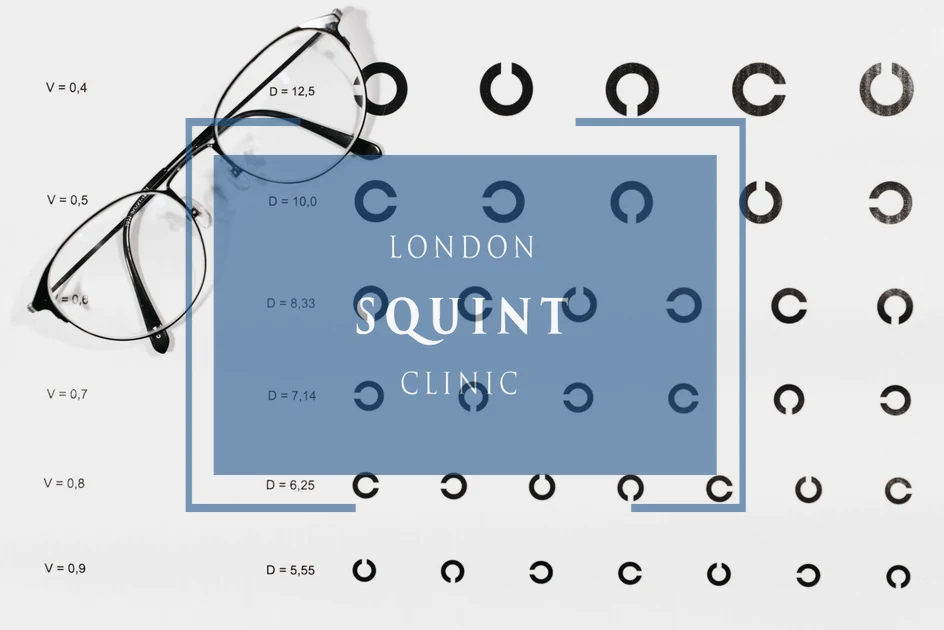
What Is a Hess Chart and How Does It Inform Surgical Planning?
The hess chart test is a vital diagnostic tool in ophthalmology, offering a precise graphical map of eye muscle function. It's essential for understanding the cause of double vision and informs surgical planning for adults, particularly at specialist centers like London Squint Clinic.


Video clinic for new patients
Wednesday evenings
Friday mornings
Face-to-face clinic for new patients
Saturdays all day

Hello, I’m Nadeem Ali
I’m one of the few eye surgeons in the world with 100% focus on Squint and Double Vision Surgery.
I have 24 years of eye surgery experience, and worked for 13 years as a Consultant at London’s renowned Moorfields Eye Hospital.
In 2023, I left the NHS to focus fully on treating patients from across the world at the London Squint Clinic. You can read more about me here.
There’s lots of information on the website about: squint surgery, double vision surgery and our pricing.
The most rewarding part of my job is hearing patients tell me how squint or double vision surgery has changed their lives. You can hear these stories here.
Mr Nadeem Ali
MA MB BChir MRCOphth FRCSEd(Ophth)