
The Psychological Toll of Eye Misalignment: Anxiety, Confidence, and Social Interaction
Why Choose Private Squint Surgery?
In the UK, squint surgery may be performed via the NHS, through insurance, or as self-pay. NHS treatment is free, but waiting times can be long and surgery is often performed by trainees under supervision. Many operations are carried out by surgeons who mainly specialise in children’s squint rather than adult complex cases.
With insurance, fees are standardised — meaning some leading specialists choose not to participate. Self-pay allows you to choose your surgeon directly and prioritise experience, specialisation, and access.
Many centres quote only a surgical fee. Hospital costs, anaesthetic fees and follow-ups are frequently additional. At London Squint Clinic, everything is included in one transparent package.
Our Complete Package – £10,000
- ✔ Advanced surgery by Mr Ali (one or both eyes)
- ✔ Adjustable sutures where clinically indicated
- ✔ Detailed orthoptic planning
- ✔ All hospital & anaesthetic fees included
- ✔ Post-operative medication
- ✔ Two video follow-ups
- ✔ Face-to-face review appointment
What Makes Us Different
- ✔ 100% focused on adult squint & double vision surgery
- ✔ >95% audited success rate
- ✔ Free re-treatment at 3 months if worse (extremely rare)
- ✔ 24/7 direct WhatsApp access to your surgeon during recovery
- ✔ Optional well-being session & pre-op reassurance call
Initial consultation: from £150
Surgery typically within 4 weeks. No referral required. Self-pay only.
Psychological Effects of Strabismus: Restoring Confidence
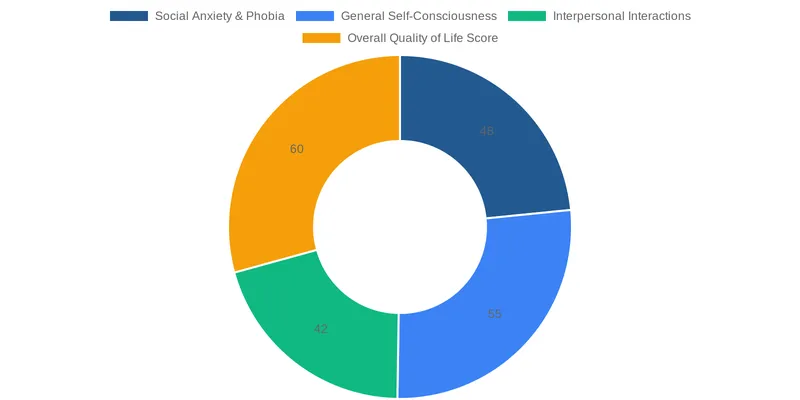
The psychological effects of strabismus in adults create a significant burden on mental health, extending far beyond vision. This article examines how eye misalignment directly impacts self-esteem, contributes to social anxiety, and complicates making comfortable eye contact. We explore the connection between a visible squint and challenges in personal and professional interactions, which can lead to social withdrawal and a reduced quality of life. Understanding these psychological effects of strabismus is the first step toward addressing both the physical and emotional aspects of the condition and regaining personal confidence.
London Squint Clinic, led by consultant surgeon Mr Nadeem Ali, focuses exclusively on adult squint and double vision surgery. The clinic provides specialist care for correcting eye misalignment, addressing the functional and emotional challenges associated with the condition based on extensive experience from Moorfields Eye Hospital.
To explore your options, contact us to schedule your consultation. You can also reach us via: Enquire about double vision surgery, Time to say goodbye to double vision
The psychological effects of strabismus in adults extend beyond vision, affecting mental health, confidence, and social interaction. This eye misalignment can cause emotional and psychological challenges, from social anxiety and low self-esteem to depression. This article explores these challenges and how surgical treatment can correct vision and restore emotional well-being and quality of life.
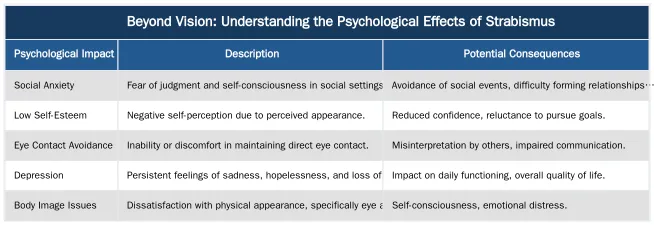
Beyond Vision: Understanding the Psychological Effects of Strabismus
Adult strabismus, or a squint or crossed eyes, is when the eyes do not align. While one eye looks at an object, the other may turn inwards, outwards, upwards, or downwards. The psychological effects are often the most challenging aspect, causing anxiety, low self-esteem, and social difficulties due to the condition’s visibility.
What is Adult Strabismus and Why Does it Affect Mental Health?
In adults, strabismus can be a lifelong condition from childhood or develop later from medical issues like thyroid eye disease, nerve palsies, or head trauma. The mental health impact stems from social interaction. Eyes are a focal point of communication, and misalignment can be misinterpreted, causing self-consciousness and alienation. This awareness of being perceived as “different” creates a psychological burden. Learn more about adult squint symptoms, causes, and treatment options.
The Hidden Burden: Anxiety, Self-Consciousness, and Social Withdrawal
A visible eye turn often causes intense self-consciousness, manifesting as reluctance to be photographed, avoidance of public speaking, or withdrawal from social situations. Fear of negative judgment or unwanted questions can cause anxiety, compelling individuals to limit social and professional engagement to avoid embarrassment.
The Link Between Strabismus, Anxiety, and Depression
The social and emotional challenges of an adult squint can escalate beyond self-consciousness, contributing to clinical anxiety and depression.
Navigating Social Anxiety and Avoidance Behaviors
Fear of social judgment can evolve into a social anxiety disorder, an intense, persistent fear of being watched and judged by others. According to the National Institute of Mental Health on social anxiety, this can lead to avoidance behaviors where individuals shun situations like job interviews, team meetings, or social gatherings, limiting personal and professional growth.
When Low Self-Esteem Progresses to Depression
Social isolation, chronic low self-esteem, and feeling trapped by one’s appearance can lead to depression. Hopelessness and withdrawal from social networks increase vulnerability to depressive symptoms. Research on strabismus and mental health confirms adults with the condition report higher rates of anxiety and depression than the general population.
Can Correcting Eye Misalignment Improve Mental Well-being?
Surgical correction of eye misalignment can positively impact an individual’s mental and emotional state. Treatment aims to improve vision and alleviate the psychological burden of the condition.
The Transformative Power of Adult Squint Surgery
Adult squint surgery realigns the eyes by adjusting the eye muscles. Restoring normal eye alignment removes the primary source of social anxiety and self-consciousness. This allows social interaction without fear of judgment, reducing anxiety and improving self-perception. The high success rate of surgical techniques means improved alignment and well-being is achievable for most patients. Understanding the importance of a high success rate in adult squint surgery is key to building confidence in the procedure.
Mr. Nadeem Ali’s Expertise: A Path to Restored Confidence
Optimal outcomes require a surgeon specialized in adult strabismus. Mr. Nadeem Ali has years of experience, including as a Consultant at Moorfields Eye Hospital. His expertise includes the technical aspects of eye muscle surgery and understanding the psychological effects of strabismus. This approach focuses on restoring physical alignment, confidence, and quality of life.
Ready to Address the Psychological Toll of Eye Misalignment?
Effective treatment is available for the emotional and social challenges of an adult squint. Addressing the physical condition can alleviate the psychological burden and restore confidence.
Take the First Step Towards a More Confident Future
A consultation with a specialist can determine the best course of action for your condition. Mr. Nadeem Ali and his team help patients overcome the functional and emotional hurdles of strabismus to achieve greater confidence and social ease.
Conclusion
The psychological effects of strabismus impact self-esteem, social behavior, and mental health. These challenges are not permanent. Adult squint surgery can correct eye misalignment, reducing anxiety, boosting confidence, and restoring well-being. If you are ready to explore your options, contact us to learn more. Enquire about double vision surgery or decide it’s Time to say goodbye to double vision.
Frequently Asked Questions
What are the main psychological effects of strabismus in adults?
The main psychological effects of strabismus include significant social anxiety, low self-esteem, and difficulty with direct eye contact. Adults with misaligned eyes often feel self-conscious about their appearance, which can negatively affect personal relationships, social interactions, and even career progression. This emotional burden is a primary reason many seek treatment.
Can surgery for eye misalignment improve mental well-being?
Yes, correcting eye alignment can profoundly improve mental well-being. Beyond addressing functional issues like double vision, surgery often leads to a significant boost in confidence and a reduction in social anxiety. Patients frequently report feeling more comfortable and self-assured in social and professional settings after their procedure.
How significant are the psychological effects of strabismus compared to the physical symptoms?
For many adults, the psychological effects of strabismus can be more debilitating than the physical symptoms like double vision or eye strain. The constant worry about appearance and how others perceive them can lead to chronic stress and avoidance of social situations. Addressing these deep-seated emotional challenges is a key goal of corrective surgery.
Is surgery for an adult squint just for cosmetic reasons?
No, adult squint surgery is a functional and restorative procedure, not merely a cosmetic one. The primary goals are to improve or restore binocular vision, eliminate double vision, and relieve the significant psychosocial burden associated with the condition. The improvement in appearance is an important but secondary benefit to the functional and psychological gains.
What should I do if I am experiencing the psychological effects of strabismus?
If you are struggling with the psychological effects of strabismus, the first step is to seek a specialist consultation. An expert can assess your eye alignment and discuss how treatment could improve both your vision and quality of life. You can enquire about a consultation to understand your options and begin your journey toward renewed confidence.
How does avoiding eye contact due to a squint affect social interaction?
Avoiding eye contact is a common coping mechanism for individuals with a squint, but it can hinder social interaction. Others may misinterpret this behaviour as disinterest, dishonesty, or a lack of confidence, creating barriers to forming personal and professional connections. This misunderstanding can be a major source of ongoing stress and social anxiety.
Related Posts


Find out if you are suitable for Double Vision Treatment
Find out if you could benefit from this life changing surgery by contacting us today
Our most popular procedures


Hello, I’m Nadeem Ali
I’m one of the few eye surgeons in the world with 100% focus on Squint and Double Vision Surgery.
I have 24 years of eye surgery experience, and worked for 13 years as a Consultant at London’s renowned Moorfields Eye Hospital.
In 2023, I left the NHS to focus fully on treating patients from across the world at the London Squint Clinic. You can read more about me here.
There’s lots of information on the website about: squint surgery, double vision surgery and our pricing.
The most rewarding part of my job is hearing patients tell me how squint or double vision surgery has changed their lives. You can hear these stories here.
Mr Nadeem Ali
MA MB BChir MRCOphth FRCSEd(Ophth)