
Sixth Nerve Palsy: Causes of Outward Eye Turning
Why Choose Private Squint Surgery?
In the UK, squint surgery may be performed via the NHS, through insurance, or as self-pay. NHS treatment is free, but waiting times can be long and surgery is often performed by trainees under supervision. Many operations are carried out by surgeons who mainly specialise in children’s squint rather than adult complex cases.
With insurance, fees are standardised — meaning some leading specialists choose not to participate. Self-pay allows you to choose your surgeon directly and prioritise experience, specialisation, and access.
Many centres quote only a surgical fee. Hospital costs, anaesthetic fees and follow-ups are frequently additional. At London Squint Clinic, everything is included in one transparent package.
Our Complete Package – £10,000
- ✔ Advanced surgery by Mr Ali (one or both eyes)
- ✔ Adjustable sutures where clinically indicated
- ✔ Detailed orthoptic planning
- ✔ All hospital & anaesthetic fees included
- ✔ Post-operative medication
- ✔ Two video follow-ups
- ✔ Face-to-face review appointment
What Makes Us Different
- ✔ 100% focused on adult squint & double vision surgery
- ✔ >95% audited success rate
- ✔ Free re-treatment at 3 months if worse (extremely rare)
- ✔ 24/7 direct WhatsApp access to your surgeon during recovery
- ✔ Optional well-being session & pre-op reassurance call
Initial consultation: from £150
Surgery typically within 4 weeks. No referral required. Self-pay only.
Essential Insights: What You Need to Know About Sixth Nerve Palsy
- Condition Basics: Sixth nerve palsy affects the lateral rectus muscle, causing inward eye turning and horizontal double vision that worsens when looking toward the affected side.
- Common Causes: Most frequently results from microvascular disease in adults over 50, but can also stem from trauma, increased intracranial pressure, infections, or tumors.
- Diagnosis Approach: Requires comprehensive neuro-ophthalmological assessment including ocular motility examination, cover tests, and often MRI imaging to identify underlying causes.
- Seriousness Assessment: While primarily affecting vision, sixth nerve palsy can sometimes signal serious neurological conditions requiring prompt investigation.
- Treatment Options: Range from non-surgical approaches (prism glasses, eye patching, Botox injections) to surgical interventions for persistent cases.
- Recovery Expectations: Microvascular causes typically show good recovery within 3-6 months; other causes have variable recovery timelines depending on underlying conditions.
- Adaptation Strategies: Head positioning techniques, visual aids, and workplace modifications can help manage symptoms while awaiting recovery or if complete recovery isn’t possible.
Table of Contents
- Understanding Sixth Nerve Palsy and Outward Eye Turning
- Common Causes of Abducens Nerve Palsy Explained
- Diagnosing Lateral Rectus Palsy: Tests and Procedures
- Is Sixth Nerve Palsy Serious? Complications and Risks
- Treatment Options for Cranial Nerve Six Palsy
- Recovery Timeline: Can Sixth Nerve Palsy Heal Completely?
- Living with Eye Movement Paralysis: Coping Strategies
Understanding Sixth Nerve Palsy and Outward Eye Turning
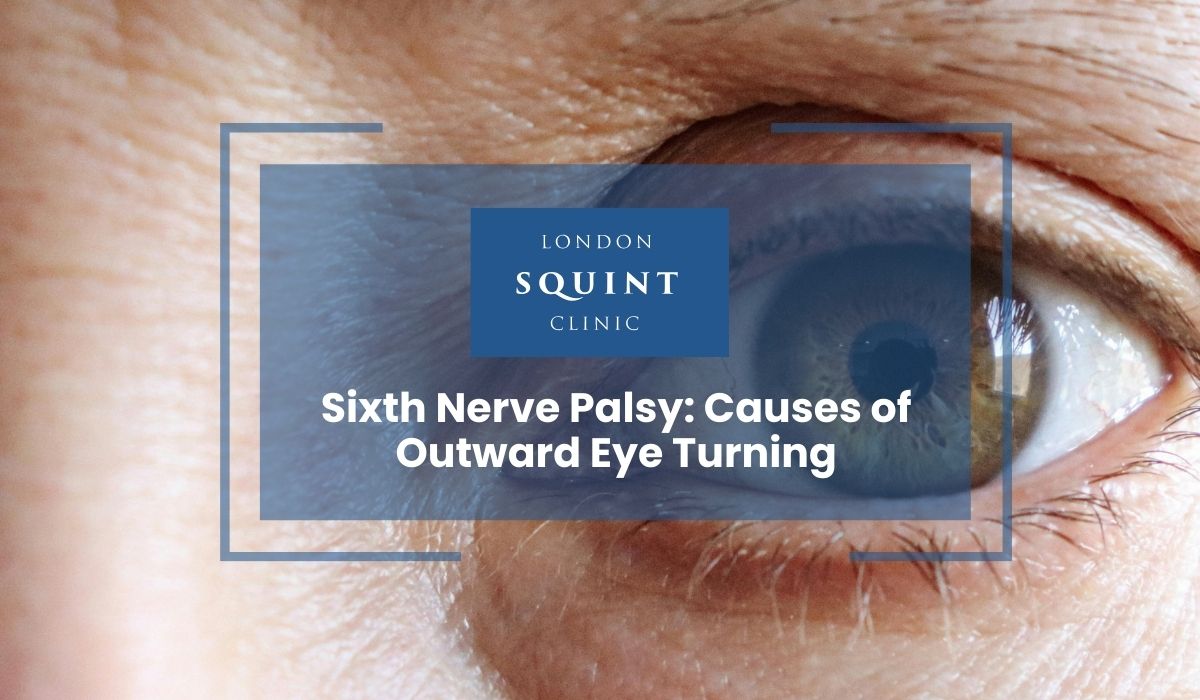
Sixth nerve palsy, also known as abducens nerve palsy or cranial nerve six palsy, is a condition that affects the lateral rectus muscle of the eye. This muscle is responsible for turning the eye outward (abduction). When the sixth cranial nerve is damaged or not functioning properly, patients experience difficulty moving their eye outward toward the temple.
The most noticeable symptom is an inward turning of the affected eye (convergent squint or esotropia), particularly when attempting to look in the direction of the weakened muscle. This occurs because the medial rectus muscle, which pulls the eye inward, is unopposed by the weakened lateral rectus muscle.
Patients with sixth nerve palsy typically experience horizontal double vision (diplopia) that worsens when looking in the direction of the affected muscle. The images appear side by side, with the separation increasing when looking toward the affected side. This double vision can significantly impact daily activities such as reading, driving, and navigating stairs.
Sixth nerve palsy can affect one eye (unilateral) or both eyes (bilateral), though unilateral cases are more common. The condition may develop suddenly or gradually, depending on the underlying cause. Understanding the specific characteristics of sixth nerve palsy is crucial for proper diagnosis and treatment planning.
Common Causes of Abducens Nerve Palsy Explained
Abducens nerve palsy can result from various underlying conditions affecting the sixth cranial nerve anywhere along its path from the brainstem to the lateral rectus muscle. The most common causes include:
Microvascular Disease: In adults over 50, the most frequent cause is microvascular ischaemia related to conditions like diabetes, hypertension, or atherosclerosis. These conditions affect the small blood vessels supplying the nerve, leading to temporary dysfunction.
Head Trauma: Traumatic brain injury can damage the nerve directly or cause increased intracranial pressure that affects nerve function. The long intracranial course of the sixth nerve makes it particularly vulnerable to trauma.
Intracranial Hypertension: Elevated pressure within the skull from conditions such as brain tumours, hydrocephalus, or idiopathic intracranial hypertension can compress the nerve.
Infections: Meningitis, encephalitis, or other infections affecting the brain or surrounding structures may damage the nerve.
Demyelinating Diseases: Conditions like multiple sclerosis can affect the myelin sheath surrounding the nerve, disrupting signal transmission.
Vascular Disorders: Aneurysms, strokes, or arteriovenous malformations near the nerve pathway can cause compression or reduced blood supply.
Tumours: Neoplasms along the nerve pathway, particularly at the cerebellopontine angle or cavernous sinus, may compress the nerve.
Iatrogenic Causes: Surgical procedures, particularly those involving the posterior fossa or cavernous sinus, may inadvertently damage the nerve.
In children, sixth nerve palsy may result from viral infections, increased intracranial pressure, or rarely, as a manifestation of certain childhood tumours. Identifying the underlying cause is essential for appropriate management and prognosis assessment.
Diagnosing Lateral Rectus Palsy: Tests and Procedures
Accurate diagnosis of lateral rectus palsy requires a comprehensive neuro-ophthalmological assessment. At London Squint Clinic, we employ a systematic approach to evaluate patients with suspected sixth nerve palsy:
Clinical History: A detailed medical history helps identify potential causes such as diabetes, hypertension, recent trauma, or neurological symptoms. The onset, progression, and pattern of double vision provide valuable diagnostic clues.
Ocular Motility Examination: This evaluates the range and quality of eye movements in all directions. In sixth nerve palsy, the affected eye shows limited abduction (outward movement). The examiner assesses for any compensatory head posture that the patient may adopt to minimise double vision.
Cover Tests: Alternate cover testing measures the magnitude of the inward deviation (esotropia) in different gaze positions. The deviation typically increases when looking toward the affected side.
Forced Duction Testing: This test distinguishes between nerve palsy and mechanical restriction of eye movement by physically attempting to move the eye with forceps under local anaesthesia.
Neurological Examination: A complete cranial nerve assessment checks for involvement of other nerves, which may indicate more extensive neurological issues.
Imaging Studies: MRI of the brain and orbits is often necessary to evaluate the course of the sixth nerve and identify any compressive lesions. CT angiography may be performed if vascular causes are suspected.
Blood Tests: These may include glucose levels, inflammatory markers, and tests for specific conditions like myasthenia gravis or thyroid dysfunction.
In cases where the diagnosis remains uncertain, additional tests such as lumbar puncture (to measure cerebrospinal fluid pressure and analyse for infections or inflammatory conditions) or electromyography may be recommended. The comprehensive diagnostic approach ensures accurate identification of both the palsy and its underlying cause, guiding appropriate treatment decisions.
Is Sixth Nerve Palsy Serious? Complications and Risks
The seriousness of sixth nerve palsy largely depends on its underlying cause. While the condition itself primarily affects eye movement and vision, it can sometimes signal more significant health concerns that require prompt attention.
Potential Serious Underlying Conditions: Sixth nerve palsy can be a warning sign of serious neurological conditions including brain tumours, aneurysms, or increased intracranial pressure. When the palsy occurs without an obvious cause (such as diabetes or hypertension), particularly in children or young adults, thorough investigation is essential to rule out these potentially life-threatening conditions.
Visual Complications: The primary visual complication is persistent double vision (diplopia), which can significantly impact quality of life, affecting reading, driving, and safe navigation. If left untreated, especially in children, sixth nerve palsy may lead to amblyopia (lazy eye) or loss of binocular vision (the ability of both eyes to work together).
Psychological Impact: The visible inward turning of the eye (esotropia) can cause psychological distress, affecting self-esteem and social interactions. Additionally, coping with chronic double vision can lead to anxiety, headaches, and disorientation.
Long-term Muscle Changes: Prolonged sixth nerve palsy may result in contracture of the unopposed medial rectus muscle and stretching of the lateral rectus muscle. These changes can complicate treatment if the nerve function eventually recovers.
At London Squint Clinic, we take sixth nerve palsy seriously and recommend prompt evaluation for all patients. Even in cases where the cause appears to be benign (such as microvascular ischaemia in older patients with vascular risk factors), we conduct appropriate investigations to ensure no serious underlying condition is missed. Early diagnosis and management not only address the immediate visual symptoms but also potentially identify and treat serious underlying conditions before they progress.
Treatment Options for Cranial Nerve Six Palsy
Treatment for sixth nerve palsy follows a staged approach, addressing both the underlying cause and the visual symptoms. At London Squint Clinic, we tailor treatment plans to each patient’s specific needs, considering factors such as the cause of the palsy, its severity, and the likelihood of spontaneous recovery.
Treating the Underlying Cause: The first priority is addressing any identified underlying condition. This may involve managing diabetes or hypertension, surgical removal of compressive tumours, or treatment of infections. Effective management of the underlying cause often improves the prognosis for nerve recovery.
Non-surgical Management:
- Prism Glasses: Fresnel prisms temporarily attached to spectacles can realign images and alleviate double vision. These are particularly useful during the waiting period for spontaneous recovery or when surgery is not indicated.
- Eye Patching: Covering one eye eliminates double vision but sacrifices depth perception. This approach is typically used for short-term relief or in patients who cannot tolerate prisms.
- Botulinum Toxin (Botox) Injections: Injecting Botox into the medial rectus muscle (the muscle that pulls the eye inward) can temporarily weaken it, reducing the inward deviation. This treatment may be used as a temporary measure or to predict the outcome of potential surgery.
Surgical Interventions: If the palsy persists beyond 6-12 months without adequate recovery, or if the underlying condition makes recovery unlikely, surgical options include:
- Recession of the Medial Rectus Muscle: Weakening the muscle that pulls the eye inward to balance the weakened lateral rectus.
- Transposition Procedures: Repositioning adjacent eye muscles to compensate for the weakened lateral rectus function.
- Adjustable Suture Techniques: Allowing fine-tuning of muscle position post-operatively for optimal alignment.
For patients with partial sixth nerve palsy or those who have experienced some recovery, less extensive surgical procedures may be sufficient. The timing of surgery is crucial—we typically observe for potential spontaneous recovery for several months unless the underlying condition indicates that recovery is unlikely.
At London Squint Clinic, our approach to sixth nerve palsy treatment emphasises both functional improvement (reducing double vision) and cosmetic enhancement (improving eye alignment). We work closely with patients to determine the most appropriate treatment pathway based on their specific circumstances and preferences.
Recovery Timeline: Can Sixth Nerve Palsy Heal Completely?
The recovery potential and timeline for sixth nerve palsy vary significantly depending on the underlying cause, the extent of nerve damage, and individual patient factors. Understanding the typical recovery patterns helps set realistic expectations and guides treatment decisions.
Microvascular Causes: When sixth nerve palsy results from microvascular disease (common in patients with diabetes or hypertension), the prognosis for spontaneous recovery is generally favourable. Approximately 70-80% of these patients experience complete or significant improvement within 3-6 months. Recovery typically begins within the first few weeks and progresses gradually.
Traumatic Causes: Recovery from trauma-induced sixth nerve palsy is more variable. Mild trauma may allow for good recovery within 6 months, while severe trauma with direct nerve damage may result in permanent deficits. Improvement, if it occurs, typically begins within 3-4 months.
Compressive Lesions: When the palsy results from compression (such as tumours), recovery depends on how quickly the compression is relieved and whether permanent nerve damage has occurred. Following successful treatment of the compressive cause, recovery may take 6-12 months.
Inflammatory or Infectious Causes: These cases often show good recovery once the underlying condition is treated, typically within 3-6 months.
Recovery Patterns: Recovery from sixth nerve palsy follows a predictable pattern. Initially, the range of outward eye movement improves, followed by a reduction in the angle of inward deviation, and finally, a resolution of double vision. Some patients may experience partial recovery with residual limitations in extreme gaze positions.
At London Squint Clinic, we closely monitor recovery using standardised measurements of eye movement and deviation angles. If no improvement is observed within 3-4 months, or if the underlying cause suggests permanent damage, we discuss long-term management options including surgical intervention.
It’s important to note that even in cases where complete recovery of nerve function is not possible, excellent functional and cosmetic results can still be achieved through appropriate interventions. Our goal is to restore comfortable single vision in primary gaze (straight ahead) and reading positions, even if limitations persist in extreme gaze positions.
For patients with similar conditions affecting eye movement from birth, such as Duane syndrome, different treatment approaches may be required.
Living with Eye Movement Paralysis: Coping Strategies
While awaiting recovery or if complete recovery is not possible, patients with sixth nerve palsy can employ various strategies to manage their symptoms and maintain quality of life. At London Squint Clinic, we provide comprehensive support beyond medical treatment to help patients adapt to their visual challenges.
Adaptive Techniques for Daily Activities:
- Head Positioning: Turning the head slightly toward the affected side can help compensate for limited eye movement and reduce double vision in many situations.
- Reading Adaptations: Using a bookmark or ruler to keep place while reading, enlarging text size, or using e-readers with adjustable formats can make reading more manageable.
- Driving Considerations: Patients should discuss driving safety with their ophthalmologist. In many cases, driving may need to be temporarily suspended until double vision is adequately controlled.
- Workplace Modifications: Computer screen positioning, lighting adjustments, and periodic breaks can reduce visual fatigue at work.
Visual Aids and Devices:
- Temporary Prism Glasses: These can be adjusted as recovery progresses to maintain single vision.
- Occlusion Patches or Frosted Lenses: For temporary relief from double vision during specific activities.
- Vision Therapy Exercises: Specific exercises may help improve control of the remaining eye movements and enhance adaptation.
Psychological Support: The psychological impact of visible eye misalignment and functional limitations should not be underestimated. We recommend:
- Connecting with support groups for patients with similar conditions
- Counselling services if the condition is causing significant distress
- Open communication with family, friends, and colleagues about the temporary or permanent nature of the condition
Regular Monitoring: Even after initial treatment, regular follow-up appointments are essential to:
- Track recovery progress
- Adjust temporary measures like prism strength
- Determine optimal timing for any surgical intervention
- Monitor for any changes in the underlying condition
At London Squint Clinic, we emphasise that while sixth nerve palsy presents challenges, most patients can maintain good functional vision with appropriate management strategies. Our team works closely with each patient to develop personalised coping techniques that address their specific visual needs and lifestyle requirements. With proper support and adaptation, patients can continue most daily activities while awaiting recovery or after definitive treatment.
Frequently Asked Questions
What are the main symptoms of sixth nerve palsy?
The main symptoms of sixth nerve palsy include inward turning of the affected eye (esotropia), horizontal double vision (diplopia) that worsens when looking toward the affected side, limited ability to move the eye outward toward the temple, and possible compensatory head turning toward the affected side to avoid double vision. The double vision typically presents with images appearing side by side rather than on top of each other.
How is sixth nerve palsy diagnosed?
Sixth nerve palsy is diagnosed through a comprehensive assessment including detailed medical history, ocular motility examination to evaluate eye movement limitations, cover tests to measure the inward deviation, forced duction testing to distinguish between nerve palsy and mechanical restrictions, neurological examination, and imaging studies such as MRI or CT scans to identify underlying causes. Blood tests may also be performed to check for conditions like diabetes or inflammatory disorders.
Can sixth nerve palsy resolve on its own?
Yes, sixth nerve palsy can resolve on its own, particularly when caused by microvascular issues (common in patients with diabetes or hypertension). Approximately 70-80% of these cases experience complete or significant improvement within 3-6 months without surgical intervention. Recovery depends on the underlying cause, with traumatic, inflammatory, or compressive causes having variable recovery rates and timelines.
What treatments are available for sixth nerve palsy?
Treatments for sixth nerve palsy include addressing the underlying cause (managing diabetes, removing tumors, treating infections), non-surgical interventions (prism glasses, eye patching, Botox injections), and surgical options for persistent cases (medial rectus recession, muscle transposition procedures, adjustable suture techniques). Treatment selection depends on the cause, severity, duration of symptoms, and likelihood of spontaneous recovery.
Is sixth nerve palsy a sign of something serious?
Sixth nerve palsy can sometimes indicate serious underlying conditions, including brain tumors, aneurysms, increased intracranial pressure, or stroke. While many cases result from benign causes like microvascular disease in older adults with diabetes or hypertension, the condition warrants thorough investigation, especially when occurring in children or young adults without obvious risk factors, to rule out potentially life-threatening conditions.
How can I manage double vision from sixth nerve palsy?
Double vision from sixth nerve palsy can be managed through temporary prism glasses that realign images, eye patching for short-term relief, turning the head slightly toward the affected side, adjusting reading materials (using bookmarks, larger text), and possibly Botox injections to weaken the opposing muscle. These strategies can help maintain function while awaiting recovery or more definitive treatment.
When is surgery necessary for sixth nerve palsy?
Surgery for sixth nerve palsy is typically considered when the condition persists beyond 6-12 months without adequate recovery, when the underlying cause makes spontaneous recovery unlikely, or when non-surgical methods fail to adequately control symptoms. The timing of surgery is important—doctors usually observe for potential natural recovery for several months unless the specific cause indicates that recovery is improbable.
Related Posts
Find out if you are suitable for Double Vision Treatment
Find out if you could benefit from this life changing surgery by contacting us today
Our most popular procedures


Hello, I’m Nadeem Ali
I’m one of the few eye surgeons in the world with 100% focus on Squint and Double Vision Surgery.
I have 24 years of eye surgery experience, and worked for 13 years as a Consultant at London’s renowned Moorfields Eye Hospital.
In 2023, I left the NHS to focus fully on treating patients from across the world at the London Squint Clinic. You can read more about me here.
There’s lots of information on the website about: squint surgery, double vision surgery and our pricing.
The most rewarding part of my job is hearing patients tell me how squint or double vision surgery has changed their lives. You can hear these stories here.
Mr Nadeem Ali
MA MB BChir MRCOphth FRCSEd(Ophth)