
Squint Surgery and Contact Lenses: What You Need to Know
Why Choose Private Squint Surgery?
In the UK, squint surgery may be performed via the NHS, through insurance, or as self-pay. NHS treatment is free, but waiting times can be long and surgery is often performed by trainees under supervision. Many operations are carried out by surgeons who mainly specialise in children’s squint rather than adult complex cases.
With insurance, fees are standardised — meaning some leading specialists choose not to participate. Self-pay allows you to choose your surgeon directly and prioritise experience, specialisation, and access.
Many centres quote only a surgical fee. Hospital costs, anaesthetic fees and follow-ups are frequently additional. At London Squint Clinic, everything is included in one transparent package.
Our Complete Package – £10,000
- ✔ Advanced surgery by Mr Ali (one or both eyes)
- ✔ Adjustable sutures where clinically indicated
- ✔ Detailed orthoptic planning
- ✔ All hospital & anaesthetic fees included
- ✔ Post-operative medication
- ✔ Two video follow-ups
- ✔ Face-to-face review appointment
What Makes Us Different
- ✔ 100% focused on adult squint & double vision surgery
- ✔ >95% audited success rate
- ✔ Free re-treatment at 3 months if worse (extremely rare)
- ✔ 24/7 direct WhatsApp access to your surgeon during recovery
- ✔ Optional well-being session & pre-op reassurance call
Initial consultation: from £150
Surgery typically within 4 weeks. No referral required. Self-pay only.
Essential Insights for Contact Lens Wear After Squint Surgery
Wait 4-6 weeks before resuming contact lens wear after squint surgery to allow proper healing and reduce infection risk.
Expect potential changes in your prescription, particularly in astigmatism, as eye muscle realignment can alter how light enters the eye.
Transition gradually from glasses to contacts post-surgery, starting with limited wearing times and increasing as comfort allows.
Consider daily disposable or silicone hydrogel lenses to address potential dry eye symptoms common after strabismus surgery.
Work with both your surgeon and a contact lens specialist to ensure optimal vision correction that complements your surgical outcomes.
Table of Contents
- Understanding Squint Surgery and Its Impact on Vision
- When Can You Safely Wear Contact Lenses After Surgery?
- How Squint Surgery Affects Your Contact Lens Prescription
- Transitioning from Glasses to Contact Lenses Post-Surgery
- Optimizing Eye Comfort with the Right Contact Lenses
- Special Considerations for Contact Lens Wearers After Strabismus Surgery
- Professional Guidance for Post-Operative Vision Correction
Understanding Squint Surgery and Its Impact on Vision
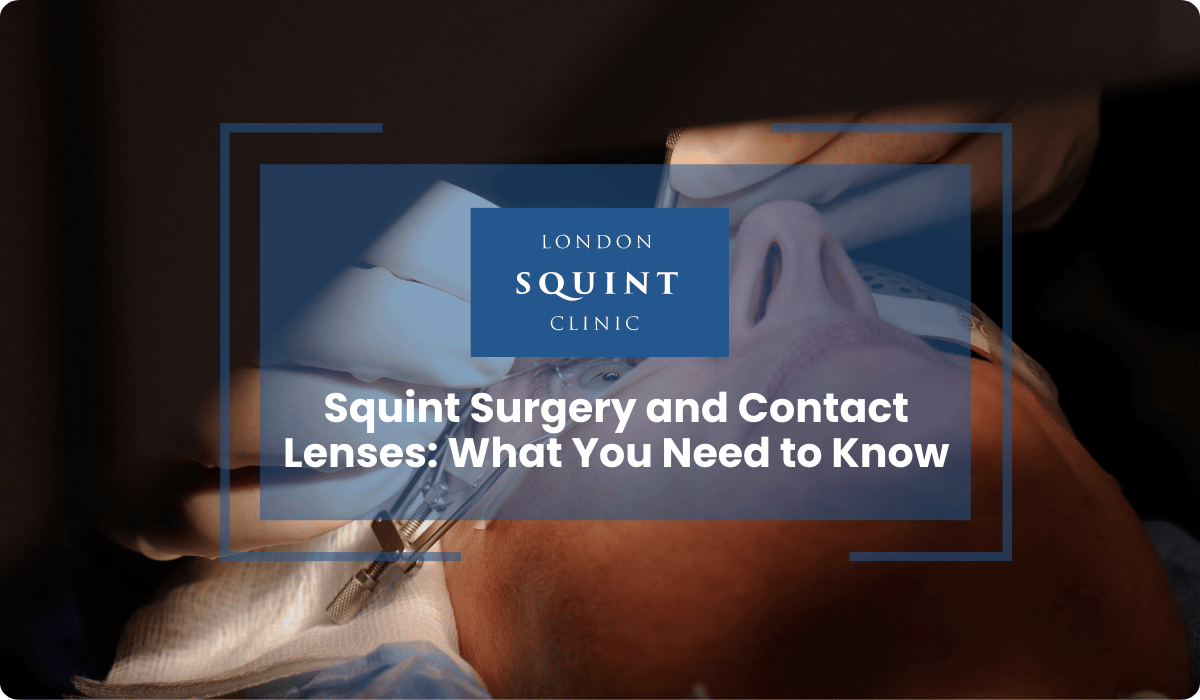
Squint surgery, or strabismus surgery, is a procedure designed to realign the eyes by adjusting the tension of the eye muscles. This surgical intervention aims to correct misalignment, improve binocular vision, and enhance depth perception. For many patients, particularly those who rely on contact lenses for vision correction, understanding how this surgery affects their overall visual system is crucial.
The procedure typically involves either strengthening or weakening specific eye muscles to achieve proper alignment. During surgery, the ophthalmologist may reposition, shorten, or lengthen these muscles to correct the squint. This muscular adjustment can significantly impact not only the alignment of your eyes but also potentially your refractive error—the measurement that determines your prescription for glasses or contact lenses.
Following squint surgery, patients often experience changes in their visual perception as the brain adapts to the new alignment. Some may notice improvements in depth perception and peripheral vision, while others might experience temporary visual disturbances as the visual system adjusts. These changes can affect how contact lenses interact with your eyes and how comfortable they feel post-surgery.
It’s important to note that squint surgery primarily addresses eye alignment rather than refractive errors like myopia or astigmatism. Therefore, most patients who required vision correction before surgery will still need it afterwards, though the specific prescription might change. Understanding this distinction helps set realistic expectations about post-operative vision correction needs.
When Can You Safely Wear Contact Lenses After Surgery?
The timeline for resuming contact lens wear after squint surgery varies depending on individual healing rates and surgical techniques employed. Generally, ophthalmologists recommend waiting at least 4-6 weeks before reintroducing contact lenses to your eyes. This waiting period allows for proper healing of the surgical site and reduces the risk of complications such as infection or inflammation.
During the initial recovery phase (first 1-2 weeks), your eyes will be particularly sensitive. You may experience redness, mild discomfort, and increased tear production. During this time, the eye’s surface is healing, and introducing a foreign object like a contact lens could disrupt this delicate process. Your surgeon will typically advise wearing your glasses exclusively during this period.
Several factors influence when you can safely resume wearing contact lenses:
- The extent and type of squint surgery performed
- Your individual healing rate
- Pre-existing eye conditions
- The presence of any post-operative complications
- The type of contact lenses you typically wear
Some patients may be cleared to wear contacts earlier if they’ve had minimal surgical manipulation of the eye’s surface. Conversely, those who’ve undergone more extensive procedures or experienced complications might need to extend their waiting period. Your ophthalmologist will assess your healing progress during follow-up appointments and provide personalised guidance on when to safely reintroduce contact lenses.
When you do receive clearance to wear contacts again, it’s advisable to begin with limited wearing times—perhaps just a few hours per day—and gradually increase as comfort allows. This gradual approach gives your eyes time to readjust to contact lens wear while continuing to heal from surgery.
How Squint Surgery Affects Your Contact Lens Prescription
Squint surgery can have notable effects on your contact lens prescription, though these changes vary significantly between patients. The realignment of eye muscles often alters the way light enters the eye, potentially changing your refractive needs. Understanding these potential changes helps prepare for post-operative vision correction adjustments.
One common change is in astigmatism measurements. The surgical manipulation of eye muscles can modify the corneal shape slightly, either increasing or decreasing existing astigmatism or creating new astigmatic patterns. This change directly impacts how toric contact lenses (designed for astigmatism) need to be fitted. Some patients who previously didn’t require toric lenses might need them after surgery, while others may find their astigmatism reduced.
Additionally, the correction of eye alignment can unmask or change the manifestation of refractive errors. When eyes are misaligned, the brain may suppress vision from one eye or adapt in ways that mask the true refractive error. Once proper alignment is achieved, these adaptations resolve, revealing the actual prescription needs. This phenomenon, known as “latent refractive error,” often becomes apparent within the first few months after surgery.
For patients with significant pre-existing refractive errors, squint surgery rarely eliminates the need for vision correction entirely. However, the prescription may stabilise differently than before. Some patients report improved comfort with their contact lenses after surgery, as the eyes work together more efficiently.
It’s worth noting that prescription changes may continue to evolve for up to six months post-surgery as the visual system fully adapts to the new alignment. For this reason, many ophthalmologists recommend temporary glasses during this adjustment period before finalising a new contact lens prescription.
Transitioning from Glasses to Contact Lenses Post-Surgery
Transitioning from glasses to contact lenses after squint surgery requires a methodical approach to ensure optimal comfort and vision. Many patients are eager to return to contact lens wear, particularly if they preferred contacts before surgery. However, this transition should be carefully managed to accommodate the changes in your visual system.
Initially, glasses are the recommended vision correction method during recovery. They provide several advantages during this period: they don’t touch the healing eye surface, they’re easy to remove if discomfort occurs, and they can be quickly updated if your prescription changes during the healing process. Modern frames and lens technologies offer excellent vision correction without compromising on style or comfort.
When your ophthalmologist confirms adequate healing, typically at the 4-6 week mark, you can begin planning your return to contact lenses. This transition often works best when approached in stages:
- Start with a comprehensive eye examination to determine your current prescription
- Discuss any changes in your eye health that might affect contact lens selection
- Consider whether your previous lens type remains suitable or if alternatives might be better
- Begin with limited wearing times (2-4 hours) and gradually increase as comfort allows
- Maintain a backup pair of updated glasses for days when contact lens wear isn’t advisable
Some patients find that different contact lens materials or designs work better after surgery. For instance, if you experience increased dry eye symptoms (common after surgery), you might benefit from switching to daily disposable lenses or those with higher water content. Children who have undergone squint surgery may have special considerations when transitioning to contact lenses, including the potential benefits for maintaining proper eye alignment.
Remember that your eyes’ response to contact lenses may differ from your pre-surgery experience. Be attentive to any discomfort, redness, or vision changes when reintroducing contacts, and communicate these observations to your eye care professional.
Optimizing Eye Comfort with the Right Contact Lenses
Following squint surgery, optimizing eye comfort with appropriate contact lenses becomes particularly important. The surgical procedure can temporarily alter tear film dynamics and ocular surface sensitivity, making lens selection and care crucial for maintaining comfort and eye health.
Dry eye symptoms are common after strabismus surgery due to several factors: the healing process itself, potential changes in blinking patterns, and the temporary disruption of normal tear distribution. To address these challenges, consider these contact lens options that prioritise comfort:
- Silicone hydrogel lenses: These offer enhanced oxygen permeability, reducing hypoxia-related discomfort
- Daily disposable lenses: Eliminate the build-up of deposits and reduce the need for cleaning solutions that might irritate healing eyes
- Lenses with moisture-retention technologies: Help maintain hydration throughout the day
- Smaller diameter lenses: May reduce interaction with surgically affected areas of the conjunctiva
Proper lens care becomes even more critical post-surgery. Even with the most comfortable lens design, improper handling or care can compromise comfort and safety. Consider these practices:
- Use preservative-free contact lens solutions if available
- Replace lens cases more frequently during the post-operative period
- Adhere strictly to recommended replacement schedules
- Consider supplementing with preservative-free artificial tears approved for use with contacts
The timing of lens wear also affects comfort. Many patients find that wearing contacts for shorter periods and avoiding lens wear during activities that might increase eye dryness (like extended computer use or in windy environments) helps maintain comfort. Gradually increasing wearing time as your eyes continue to heal often yields the best results for long-term comfort.
Special Considerations for Contact Lens Wearers After Strabismus Surgery
Contact lens wearers face unique considerations following strabismus surgery that require special attention. Understanding these factors can help ensure successful lens wear while supporting optimal surgical outcomes and eye health.
One primary consideration is the potential for altered corneal sensitivity after surgery. The manipulation of eye muscles and tissues can temporarily change how your cornea responds to contact lens wear. Some patients experience heightened sensitivity, making lenses feel uncomfortable even if they were well-tolerated before surgery. Conversely, others might experience reduced sensitivity, which requires vigilance as it could mask early signs of complications like corneal abrasions or infections.
Conjunctival changes at surgical sites present another consideration. The conjunctiva (the clear membrane covering the white of the eye) undergoes significant manipulation during squint surgery. These areas may appear slightly raised or reddened for several months. For contact lens wearers, especially those using rigid gas permeable or scleral lenses that extend beyond the cornea, these conjunctival changes can affect lens fitting and comfort. Your contact lens specialist may need to adjust the lens parameters to accommodate these changes.
Medication interactions also warrant attention. Post-operative eye drops, particularly those containing preservatives, can interact with contact lens materials and solutions. These interactions might reduce lens comfort or potentially compromise the effectiveness of the medications. Always inform your ophthalmologist about your intention to wear contacts so they can advise on medication scheduling relative to lens wear.
For patients with residual or partially corrected squints, prismatic correction in contact lenses might be considered. Unlike glasses, standard contact lenses don’t offer prismatic correction for residual misalignment. In some cases, specially designed prism ballast contact lenses or a combination of contacts with occasional prism glasses might be recommended for optimal visual comfort.
Finally, the psychological adjustment to your new appearance with corrected eye alignment might influence how you perceive yourself with contacts versus glasses. Some patients find that glasses help them adjust to their new appearance gradually, while others prefer the more natural look that contact lenses provide.
Professional Guidance for Post-Operative Vision Correction
Professional guidance is essential for navigating vision correction options after squint surgery. The complexity of post-operative visual changes requires expertise from both your strabismus surgeon and contact lens specialist, working collaboratively to optimise your vision and comfort.
Your post-operative care team should ideally include:
- Your strabismus surgeon who understands the specific surgical techniques used and expected healing patterns
- An optometrist or contact lens specialist experienced in fitting lenses for post-surgical patients
- In some cases, a low vision specialist if you have additional visual challenges
The initial post-operative period typically involves several follow-up appointments with your surgeon to monitor healing and alignment outcomes. During these visits, discuss your vision correction preferences and timeline for returning to contact lens wear. Your surgeon can provide valuable insights about your specific surgical procedure and how it might influence contact lens fitting.
When referred to a contact lens specialist, ensure they receive detailed information about your surgery. This specialist will conduct a comprehensive assessment including:
- Detailed corneal topography to map any changes in corneal shape
- Tear film evaluation to assess for dry eye issues
- Examination of conjunctival healing at surgical sites
- Assessment of how your eyes work together with different correction options
Many patients benefit from a staged approach to vision correction after surgery. This might include temporary glasses, followed by daily disposable contact lenses, before progressing to your long-term vision correction solution. Your specialists can help determine the optimal timing for each transition based on your healing progress.
Remember that post-operative vision stabilisation can take several months. During this period, regular reassessment of your prescription and lens fit is advisable. Be prepared for potential adjustments to your contact lens prescription or design as your visual system continues to adapt to its new alignment.
Finally, maintain open communication with your care team about any discomfort, vision changes, or concerns. Early intervention for any issues ensures the best possible outcomes for both your surgical results and long-term vision correction comfort.
Frequently Asked Questions
How long after squint surgery can I wear contact lenses?
Most ophthalmologists recommend waiting 4-6 weeks after squint surgery before resuming contact lens wear. This timeframe allows for proper healing of surgical sites and reduces infection risk. However, individual healing rates vary, so always follow your surgeon’s specific guidance. When reintroducing contacts, start with limited wearing times (2-4 hours daily) and gradually increase as comfort allows.
Will my contact lens prescription change after strabismus surgery?
Yes, squint surgery can affect your contact lens prescription. The realignment of eye muscles may alter how light enters the eye, potentially changing refractive needs. Common changes include modifications in astigmatism measurements and the unmasking of previously suppressed refractive errors. Prescription changes may continue to evolve for up to six months post-surgery as your visual system adapts to the new alignment.
Are certain types of contact lenses better after squint surgery?
Daily disposable contact lenses are often recommended after squint surgery as they eliminate deposit build-up and reduce exposure to cleaning solutions that might irritate healing eyes. Silicone hydrogel lenses with high oxygen permeability and lenses with moisture-retention technologies may also provide better comfort for post-surgical patients who experience dry eye symptoms. Your eye care professional can recommend specific lens materials based on your individual healing progress.
Can contact lenses help with residual eye misalignment after surgery?
Standard contact lenses don’t provide prismatic correction for residual misalignment like glasses can. For patients with remaining alignment issues after surgery, specially designed prism ballast contact lenses might be considered, or a combination approach using contacts for refractive correction and occasional prism glasses for alignment might be recommended. Discuss these options with both your strabismus surgeon and contact lens specialist.
What signs indicate I should stop wearing contacts after squint surgery?
You should immediately discontinue contact lens wear and consult your eye doctor if you experience increased redness, pain, light sensitivity, blurry vision that doesn’t clear, discharge, or feeling something in your eye. These symptoms could indicate complications such as infection, inflammation, or problems with the surgical site. Always have an updated pair of glasses available as a backup during your recovery period.
How can I manage dry eyes when wearing contacts after strabismus surgery?
To manage post-surgical dry eye while wearing contacts: use preservative-free artificial tears approved for contact lens use; consider daily disposable lenses which may be more comfortable; take regular breaks from lens wear; maintain proper hydration; avoid smoky or windy environments; and use a humidifier in dry indoor settings. Your eye care professional may also recommend specific lens materials or designs that retain moisture better for your particular condition.
Should I see my surgeon or optometrist for contact lens fitting after squint surgery?
Ideally, you should maintain follow-up appointments with both your strabismus surgeon and a contact lens specialist after surgery. Your surgeon will monitor healing and alignment outcomes, while a contact lens specialist (often an optometrist) will handle the specific lens fitting. The best results come when these professionals collaborate, sharing information about your surgical procedure, healing progress, and vision correction needs to develop an optimal contact lens solution.
Related Posts

Find out if you are suitable for Double Vision Treatment
Find out if you could benefit from this life changing surgery by contacting us today
Our most popular procedures


Hello, I’m Nadeem Ali
I’m one of the few eye surgeons in the world with 100% focus on Squint and Double Vision Surgery.
I have 24 years of eye surgery experience, and worked for 13 years as a Consultant at London’s renowned Moorfields Eye Hospital.
In 2023, I left the NHS to focus fully on treating patients from across the world at the London Squint Clinic. You can read more about me here.
There’s lots of information on the website about: squint surgery, double vision surgery and our pricing.
The most rewarding part of my job is hearing patients tell me how squint or double vision surgery has changed their lives. You can hear these stories here.
Mr Nadeem Ali
MA MB BChir MRCOphth FRCSEd(Ophth)