
Squint and Headaches: Connection Between Eye Strain and Pain

Why Choose Private Squint Surgery?
In the UK, squint surgery may be performed via the NHS, through insurance, or as self-pay. NHS treatment is free, but waiting times can be long and surgery is often performed by trainees under supervision. Many operations are carried out by surgeons who mainly specialise in children’s squint rather than adult complex cases.
With insurance, fees are standardised — meaning some leading specialists choose not to participate. Self-pay allows you to choose your surgeon directly and prioritise experience, specialisation, and access.
Many centres quote only a surgical fee. Hospital costs, anaesthetic fees and follow-ups are frequently additional. At London Squint Clinic, everything is included in one transparent package.
Our Complete Package – £10,000
- ✔ Advanced surgery by Mr Ali (one or both eyes)
- ✔ Adjustable sutures where clinically indicated
- ✔ Detailed orthoptic planning
- ✔ All hospital & anaesthetic fees included
- ✔ Post-operative medication
- ✔ Two video follow-ups
- ✔ Face-to-face review appointment
What Makes Us Different
- ✔ 100% focused on adult squint & double vision surgery
- ✔ >95% audited success rate
- ✔ Free re-treatment at 3 months if worse (extremely rare)
- ✔ 24/7 direct WhatsApp access to your surgeon during recovery
- ✔ Optional well-being session & pre-op reassurance call
Initial consultation: from £150
Surgery typically within 4 weeks. No referral required. Self-pay only.
Essential Points to Remember About Squint and Headaches
- Squint and headaches often share a complex, bidirectional relationship, with up to 30% of untreated squint patients reporting chronic headaches.
- Common types of squint-related headaches include tension-type, convergence insufficiency, accommodative stress, asthenopia, and migraine-like headaches.
- Eye strain from squint triggers headache pain through a combination of muscular tension, neurological strain, and compensatory mechanisms.
- Diagnosing squint-related headaches involves assessing the timing, pattern, and associated symptoms of the headaches, as well as conducting a comprehensive ocular examination.
- Non-surgical treatments for squint headaches include prismatic correction, vision therapy exercises, accommodative support, environmental modifications, and botulinum toxin injections.
- Squint surgery becomes an appropriate option for headache relief when non-surgical treatments fail, and the headaches are clearly linked to visual strain.
- Preventing eye strain headaches in squint patients involves regular visual breaks, optimal environmental ergonomics, consistent use of optical corrections, maintaining good general health, and regular follow-up assessments.
Table of Contents
- Understanding the Link Between Squint and Headaches
- Common Types of Headaches Caused by Squint
- How Eye Strain from Squint Triggers Headache Pain
- Diagnosing Squint-Related Headaches: What to Look For
- Non-Surgical Treatments for Relieving Squint Headaches
- When to Consider Squint Surgery for Headache Relief
- Preventing Eye Strain Headaches in Squint Patients
Understanding the Link Between Squint and Headaches
Squint (strabismus) and headaches often share a complex, bidirectional relationship that many patients don’t initially recognise. When the eyes are misaligned, as in the case of squint, the brain must work extraordinarily hard to process visual information, leading to significant eye strain and subsequent headaches. This connection stems from the fundamental way our visual system operates.
In normal binocular vision, both eyes work in perfect coordination, sending aligned images to the brain which then fuses them into a single, three-dimensional perception. However, with squint, the eyes point in different directions, forcing the brain to contend with competing visual inputs. This visual confusion triggers a compensatory mechanism where the brain attempts to suppress one image or constantly struggles to align the disparate signals, resulting in ocular misalignment headaches.
Research indicates that up to 30% of patients with untreated squint report chronic headaches as a primary symptom. These headaches typically worsen with visual tasks requiring sustained focus, such as reading, computer work, or driving. The constant effort to maintain functional vision despite misaligned eyes creates a pattern of muscular tension and neurological strain that manifests as persistent headache pain.
At London Squint Clinic, we regularly observe this connection in our clinical practice, noting that many patients experience significant headache relief following appropriate squint treatment. Understanding this relationship is crucial for proper diagnosis and effective management of both conditions.
Common Types of Headaches Caused by Squint
Squint conditions can trigger several distinct types of headaches, each with characteristic patterns and symptoms. Recognising these specific headache presentations helps in accurate diagnosis and targeted treatment approaches.
Tension-type headaches are the most common squint-related headaches, typically presenting as a dull, persistent pressure or tightness around the forehead, temples, or back of the head. These headaches develop gradually as the extraocular muscles strain to maintain alignment, creating tension that radiates through surrounding facial and cranial muscles.
Convergence insufficiency headaches occur specifically when the eyes struggle to turn inward for near vision tasks. Patients often report frontal headaches that intensify during reading or close work, accompanied by blurred vision or diplopia (double vision). These headaches are particularly common in those with exotropia (outward-turning squint).
Accommodative stress headaches develop when the focusing system of the eye works overtime to compensate for misalignment. These typically present as eye-centred pain that worsens throughout the day with visual tasks. Many patients describe a sensation of pressure behind the eyes that gradually expands to encompass the entire head.
Asthenopia headaches (eye strain headaches) manifest as generalised discomfort around the eyes, often with sensitivity to light. These headaches typically develop after prolonged visual tasks and may be accompanied by burning or itching sensations in the eyes.
Migraine-like headaches can also be triggered by squint, particularly in patients with heterophoria (latent squint). These present with moderate to severe throbbing pain, often on one side of the head, and may include visual aura, nausea, and sensitivity to light and sound. The visual strain from squint can serve as a consistent migraine trigger in susceptible individuals.
How Eye Strain from Squint Triggers Headache Pain
The physiological mechanism connecting squint to headaches involves a complex interplay between visual processing, muscular compensation, and neurological pathways. Understanding this process helps explain why squint-related headaches can be so persistent and debilitating.
When squint is present, the extraocular muscles that control eye movement must work continuously to attempt alignment. This creates a state of constant muscular tension, similar to holding any muscle group in a strained position for extended periods. The six muscles controlling each eye become overworked, leading to localised fatigue and tension that can spread to surrounding facial and cranial muscles.
Simultaneously, the brain engages in exhausting compensatory processing. With binocular vision headaches, the visual cortex receives conflicting information from each eye and must work overtime to interpret these signals. This neurological strain activates pain pathways, particularly the trigeminal nerve system, which mediates most headache pain. The constant effort to reconcile misaligned images creates a neurological burden that manifests as headache.
Diplopia headaches occur when the brain cannot suppress the second image, resulting in double vision. This visual confusion is particularly taxing on neural processing systems and frequently triggers intense headaches. Even in cases where the brain successfully suppresses one image to prevent double vision, this active suppression requires continuous neurological effort that contributes to headache development.
Additionally, many patients with squint adopt abnormal head postures to achieve single vision, tilting or turning their heads to align their visual axes. This compensatory posture creates secondary muscular tension in the neck and shoulders, further contributing to headache development through referred pain pathways.
Diagnosing Squint-Related Headaches: What to Look For
Accurately identifying headaches stemming from squint requires a comprehensive assessment approach that considers both ocular and neurological factors. At London Squint Clinic, we employ a systematic diagnostic protocol to establish this connection.
The timing and pattern of headaches provide crucial diagnostic clues. Squint-induced headaches typically worsen with visual tasks and improve with eye rest. They often develop progressively throughout the day, becoming most severe by evening. Patients frequently report that closing one eye temporarily relieves their headache—a telling sign that binocular vision stress is the underlying cause.
Physical examination focuses on detecting ocular misalignment through cover tests, prism measurements, and motility assessments. Even subtle forms of squint, such as heterophoria (latent squint that appears only when binocular fusion is disrupted), can cause significant headaches. We carefully evaluate convergence ability, accommodative function, and fusion ranges, as deficiencies in these areas strongly correlate with headache symptoms.
Diagnostic indicators that suggest squint-related headaches include:
- Headaches that worsen with reading, computer use, or detailed visual tasks
- Pain that improves with monocular viewing (covering one eye)
- Associated symptoms of visual fatigue, eye strain, or intermittent double vision
- Adoption of abnormal head postures during visual tasks
- Absence of headache upon waking, with gradual onset during visual activities
- History of squint, eye muscle surgery, or previous diagnosis of binocular vision disorders
Differential diagnosis is essential, as convergence excess in children and other binocular vision disorders can present with similar headache patterns. We carefully distinguish between primary headache disorders (like migraine or tension headaches) and those secondary to squint through detailed history-taking and comprehensive ocular examination.
Non-Surgical Treatments for Relieving Squint Headaches
Before considering surgical intervention, several effective non-surgical approaches can significantly reduce headaches associated with squint and ocular misalignment. These conservative treatments target the underlying visual strain while providing symptomatic relief.
Prismatic correction represents one of the most effective non-surgical interventions for squint-related headaches. Specially prescribed prism lenses incorporated into glasses redirect light entering the eye, effectively compensating for misalignment without requiring muscular effort. These prisms can dramatically reduce the visual strain that triggers headaches, particularly in cases of heterophoria or small-angle strabismus. Many patients report substantial headache relief within days of beginning prism therapy.
Vision therapy exercises can strengthen eye muscle coordination and improve binocular function. Structured programmes of orthoptic exercises target specific deficiencies in convergence, divergence, or accommodative function. These exercises gradually retrain the visual system, reducing the strain that leads to asthenopia headaches. Particularly effective for convergence insufficiency headaches, vision therapy typically requires 8-12 weeks of consistent practice to achieve lasting results.
Accommodative support through reading glasses or bifocals can alleviate headaches stemming from focusing difficulties associated with squint. By reducing accommodative demand, these lenses decrease the workload on an already strained visual system. This approach is especially beneficial for patients experiencing accommodative stress headaches during near work.
Environmental modifications can substantially reduce visual strain. Adjustments to lighting, computer ergonomics, and work habits can create a more vision-friendly environment. Simple interventions like proper screen positioning, regular visual breaks (following the 20-20-20 rule: every 20 minutes, look at something 20 feet away for 20 seconds), and glare reduction can significantly decrease headache frequency and intensity.
Botulinum toxin injections offer a temporary non-surgical option for some forms of squint. By selectively weakening overactive eye muscles, these injections can improve alignment and reduce strain. While not a permanent solution, botulinum toxin can provide 3-6 months of headache relief while longer-term treatment plans are developed.
When to Consider Squint Surgery for Headache Relief
While non-surgical approaches are always our first consideration, squint surgery becomes an appropriate option for headache management when specific clinical criteria are met. Understanding when surgical intervention offers the best prospect for headache relief is crucial for both clinicians and patients.
Surgery becomes a primary consideration when non-surgical treatments have failed to provide adequate headache relief despite consistent application. This typically occurs in cases with larger-angle squint or significant incomitant deviations (where the misalignment varies in different gaze positions). When prism therapy reaches its practical limits—generally above 10-15 prism dioptres—surgical realignment often becomes necessary for effective headache management.
The decision to proceed with surgery should be guided by clear evidence linking the squint to headache symptoms. We look for consistent patterns where visual tasks provoke headaches, where monocular viewing provides relief, and where the headache characteristics align with known patterns of squint-induced pain. Careful documentation of headache frequency, intensity, and triggers before surgery establishes a baseline for evaluating post-operative improvement.
Surgical outcomes for headache relief are most favourable when:
- The squint is stable and has been present for at least 6 months
- Headaches have a clear temporal relationship with visual strain
- The patient has good potential for binocular vision
- There is no significant underlying neurological condition causing the headaches
- The patient has realistic expectations about surgical outcomes
At London Squint Clinic, our data shows that approximately 75-80% of appropriately selected patients experience significant headache improvement following squint surgery. Most report a reduction in both frequency and intensity of headaches, with many achieving complete resolution of symptoms. The greatest improvements typically occur in patients whose headaches were clearly provoked by visual tasks and relieved by eye closure or monocular viewing.
It’s important to note that while squint surgery can dramatically improve headaches stemming from ocular misalignment, it may not completely eliminate headaches with multiple contributing factors. A thorough pre-surgical assessment helps establish realistic expectations regarding headache outcomes.
Preventing Eye Strain Headaches in Squint Patients
Even with appropriate treatment for squint, implementing preventive strategies remains essential for minimising headache recurrence. A comprehensive prevention plan addresses both visual habits and environmental factors that contribute to eye strain headaches.
Regular visual breaks are fundamental to preventing the accumulation of visual strain that leads to headaches. For squint patients, even properly aligned eyes may fatigue more quickly than normal. Implementing the enhanced 15-15-15 rule (every 15 minutes, look 15 feet away for 15 seconds) provides more frequent relief for the visual system than standard recommendations. During intensive visual tasks, brief periods of eye closure or monocular viewing can provide additional rest.
Optimal environmental ergonomics significantly reduces visual strain. Proper lighting without glare, correctly positioned computer screens (slightly below eye level, at arm’s length), and appropriate font sizes all decrease the visual demand that triggers binocular vision headaches. For many squint patients, using dark mode on digital devices and applying blue light filters can further reduce visual stress, particularly during evening hours.
Consistent use of prescribed optical corrections is crucial. Many patients discontinue wearing their glasses or prisms intermittently, creating fluctuating visual demands that can trigger headaches. We emphasise the importance of wearing the full prescription consistently, even when symptoms are temporarily absent.
Maintaining good general health supports visual comfort. Proper hydration, regular sleep patterns, and stress management all contribute to headache prevention. Dehydration, in particular, can exacerbate eye strain symptoms, making adequate fluid intake especially important for squint patients prone to headaches.
Regular follow-up assessments allow for timely adjustment of treatment plans. Visual needs and ocular alignment can change over time, particularly during developmental years or with age-related changes. Scheduled reviews ensure that optical prescriptions, exercises, or surgical results continue to provide optimal support for preventing eye strain headaches.
For patients with known triggers beyond visual strain, such as certain foods or environmental factors, maintaining a headache diary can help identify and manage these additional contributors. This comprehensive approach to prevention addresses both the primary visual causes and secondary factors that may exacerbate squint-related headaches.
Frequently Asked Questions
Can squint cause headaches?
Yes, squint (strabismus) can cause headaches. When the eyes are misaligned, the brain must work harder to process visual information, leading to eye strain and subsequent headaches. Up to 30% of patients with untreated squint report chronic headaches as a primary symptom, which often worsen with visual tasks requiring sustained focus.
What types of headaches can squint cause?
Squint can cause several types of headaches, including:
- Tension-type headaches: dull, persistent pressure or tightness around the forehead, temples, or back of the head
- Convergence insufficiency headaches: frontal headaches that intensify during reading or close work
- Accommodative stress headaches: eye-centered pain that worsens throughout the day with visual tasks
- Asthenopia headaches: generalized discomfort around the eyes, often with sensitivity to light
- Migraine-like headaches: moderate to severe throbbing pain, often on one side of the head, possibly with visual aura, nausea, and sensitivity to light and sound
How does eye strain from squint trigger headaches?
Eye strain from squint triggers headaches through a complex interplay between visual processing, muscular compensation, and neurological pathways. The extraocular muscles work continuously to attempt alignment, creating constant muscular tension. Simultaneously, the brain engages in exhausting compensatory processing, activating pain pathways, particularly the trigeminal nerve system, which mediates most headache pain.
What are the signs that a headache is related to squint?
Signs that a headache is related to squint include:
- Headaches that worsen with reading, computer use, or detailed visual tasks
- Pain that improves with monocular viewing (covering one eye)
- Associated symptoms of visual fatigue, eye strain, or intermittent double vision
- Adoption of abnormal head postures during visual tasks
- Absence of headache upon waking, with gradual onset during visual activities
- History of squint, eye muscle surgery, or previous diagnosis of binocular vision disorders
What non-surgical treatments can relieve squint headaches?
Non-surgical treatments that can relieve squint headaches include:
- Prismatic correction: specially prescribed prism lenses that redirect light entering the eye, compensating for misalignment
- Vision therapy exercises: structured programs of orthoptic exercises that target specific deficiencies in convergence, divergence, or accommodative function
- Accommodative support: reading glasses or bifocals that reduce accommodative demand and decrease workload on the visual system
- Environmental modifications: adjustments to lighting, computer ergonomics, and work habits to create a more vision-friendly environment
- Botulinum toxin injections: temporary injections that selectively weaken overactive eye muscles, improving alignment and reducing strain
When should squint surgery be considered for headache relief?
Squint surgery should be considered for headache relief when non-surgical treatments have failed to provide adequate relief despite consistent application, typically in cases with larger-angle squint or significant incomitant deviations. The decision to proceed with surgery should be guided by clear evidence linking the squint to headache symptoms, such as consistent patterns where visual tasks provoke headaches, monocular viewing provides relief, and the headache characteristics align with known patterns of squint-induced pain.
How can eye strain headaches be prevented in squint patients?
Eye strain headaches can be prevented in squint patients by implementing preventive strategies that address both visual habits and environmental factors. These include:
- Regular visual breaks, such as the enhanced 15-15-15 rule (every 15 minutes, look 15 feet away for 15 seconds)
- Optimal environmental ergonomics, including proper lighting without glare, correctly positioned computer screens, and appropriate font sizes
- Consistent use of prescribed optical corrections, such as glasses or prisms
- Maintaining good general health, including proper hydration, regular sleep patterns, and stress management
- Regular follow-up assessments to allow for timely adjustment of treatment plans
Related Posts
Find out if you are suitable for Double Vision Treatment
Find out if you could benefit from this life changing surgery by contacting us today
Our most popular procedures



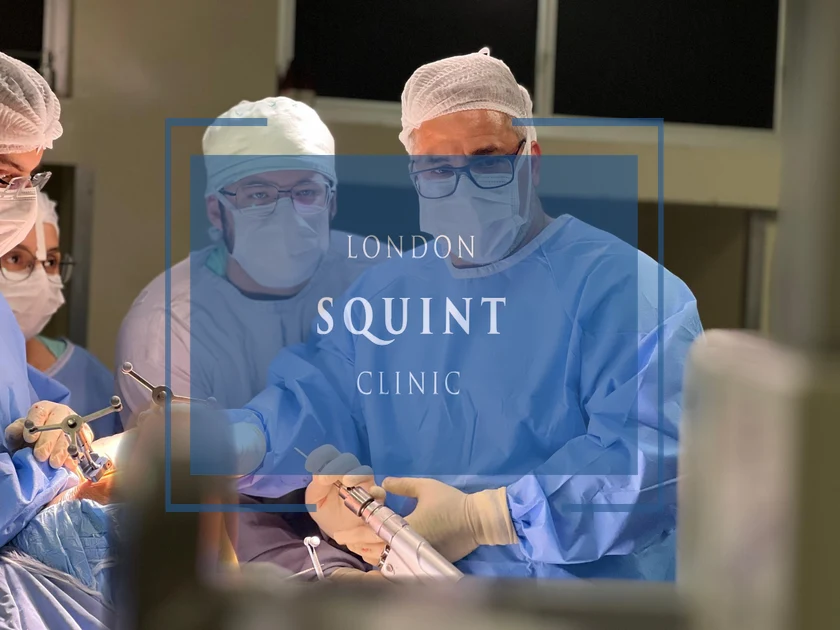
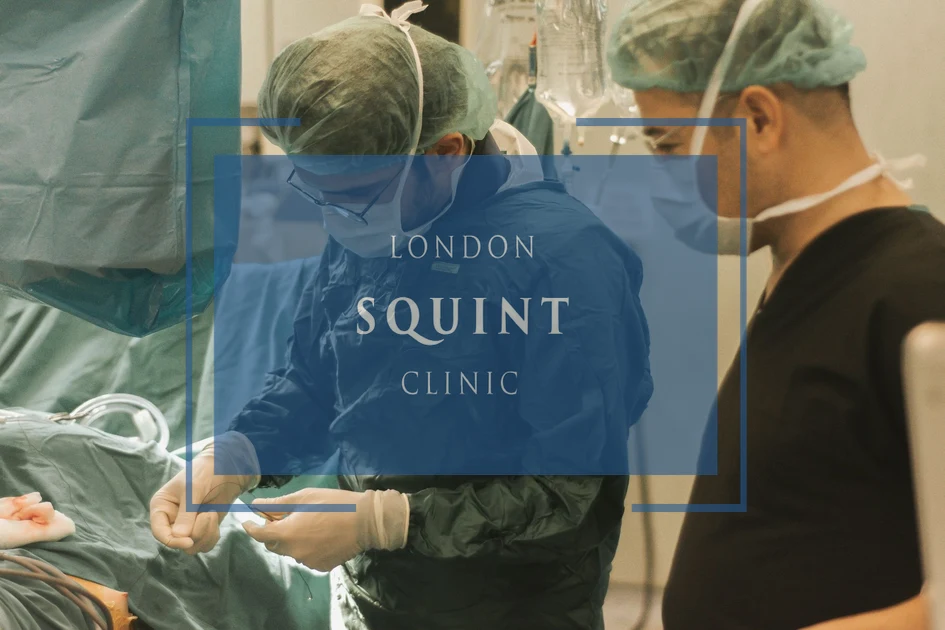

Hello, I’m Nadeem Ali
I’m one of the few eye surgeons in the world with 100% focus on Squint and Double Vision Surgery.
I have 24 years of eye surgery experience, and worked for 13 years as a Consultant at London’s renowned Moorfields Eye Hospital.
In 2023, I left the NHS to focus fully on treating patients from across the world at the London Squint Clinic. You can read more about me here.
There’s lots of information on the website about: squint surgery, double vision surgery and our pricing.
The most rewarding part of my job is hearing patients tell me how squint or double vision surgery has changed their lives. You can hear these stories here.
Mr Nadeem Ali
MA MB BChir MRCOphth FRCSEd(Ophth)