
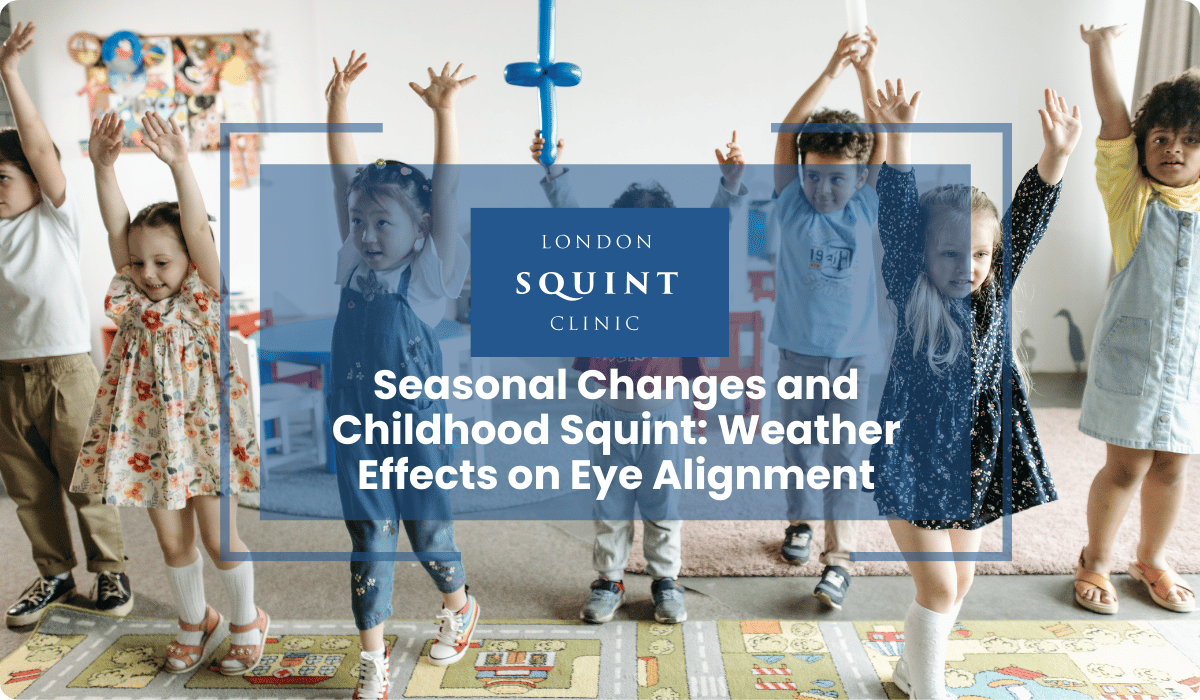
Seasonal Changes and Childhood Squint: Weather Effects on Eye Alignment
Why Choose Private Squint Surgery?
In the UK, squint surgery may be performed via the NHS, through insurance, or as self-pay. NHS treatment is free, but waiting times can be long and surgery is often performed by trainees under supervision. Many operations are carried out by surgeons who mainly specialise in children’s squint rather than adult complex cases.
With insurance, fees are standardised — meaning some leading specialists choose not to participate. Self-pay allows you to choose your surgeon directly and prioritise experience, specialisation, and access.
Many centres quote only a surgical fee. Hospital costs, anaesthetic fees and follow-ups are frequently additional. At London Squint Clinic, everything is included in one transparent package.
Our Complete Package – £10,000
- ✔ Advanced surgery by Mr Ali (one or both eyes)
- ✔ Adjustable sutures where clinically indicated
- ✔ Detailed orthoptic planning
- ✔ All hospital & anaesthetic fees included
- ✔ Post-operative medication
- ✔ Two video follow-ups
- ✔ Face-to-face review appointment
What Makes Us Different
- ✔ 100% focused on adult squint & double vision surgery
- ✔ >95% audited success rate
- ✔ Free re-treatment at 3 months if worse (extremely rare)
- ✔ 24/7 direct WhatsApp access to your surgeon during recovery
- ✔ Optional well-being session & pre-op reassurance call
Initial consultation: from £150
Surgery typically within 4 weeks. No referral required. Self-pay only.
Effective Strategies for Managing Seasonal Squint Changes
Seasonal changes can significantly impact childhood squint, with bright sunlight and outdoor activities potentially worsening eye misalignment. To effectively manage seasonal squint variations, parents should:
- Ensure their children wear high-quality, UV-protective sunglasses and hats during outdoor activities
- Schedule eye exams regularly to monitor alignment and adjust treatment plans as needed
- Encourage breaks during outdoor play to reduce eye strain and fatigue
- Consider indoor activities during peak sunlight hours to minimize squinting
- Maintain consistent vision therapy exercises year-round
- Adapt eye care routines to address seasonal environmental factors, such as using a humidifier in winter and staying hydrated
By working closely with a pediatric ophthalmologist and implementing these strategies, parents can help their children maintain optimal eye alignment and visual development throughout the changing seasons.
Here is the blog post content with the requested sections and formatting:
Table of Contents
- Understanding Seasonal Squint Changes in Children
- How Bright Sunlight Affects Eye Alignment
- Can Outdoor Activities Worsen Strabismus?
- Protecting Children’s Eyes from UV Exposure
- Expert Tips for Managing Seasonal Vision Changes
- The Role of Sunglasses for Kids with Squint
- Adapting Eye Care Routines to Changing Weather
Understanding Seasonal Squint Changes in Children
Seasonal changes in weather can have a surprising impact on childhood squint, also known as strabismus. Many parents notice that their child’s eye misalignment seems to worsen during the summer months or in bright, sunny conditions. Pediatric ophthalmologists confirm that environmental factors like sun exposure and outdoor activities can indeed affect eye alignment in children with pre-existing squint conditions. Understanding these seasonal influences allows parents and eye care professionals to adapt treatment plans and provide optimal support for children’s visual development throughout the year.
How Bright Sunlight Affects Eye Alignment
Bright sunlight can cause a phenomenon called “sunlight squinting” in children with strabismus. The intense light stimulates the eye muscles to contract, which can exacerbate misalignment. Additionally, bright conditions cause pupils to constrict, decreasing depth of focus and making it more difficult for the eyes to work together. Children may squint more in an attempt to reduce glare and light sensitivity. Over time, repeated squinting in response to sunlight can reinforce abnormal eye positioning and hinder binocular vision development.
Can Outdoor Activities Worsen Strabismus?
While outdoor activities offer numerous benefits for children’s overall health, certain pursuits can present challenges for those with strabismus. Activities involving rapid movement, hand-eye coordination, or depth perception—such as ball sports, cycling, or playground games—may be more difficult due to impaired binocular vision. Some children subconsciously compensate by tilting their head or adopting abnormal postures, which can worsen eye misalignment over time. However, with appropriate precautions and visual aids, children with squint can still safely enjoy outdoor play. Consult with a pediatric ophthalmologist to develop a personalised activity plan.
Protecting Children’s Eyes from UV Exposure
Protecting children’s eyes from harmful ultraviolet (UV) rays is crucial, especially for those with strabismus. Prolonged UV exposure can contribute to long-term ocular health issues and exacerbate squint-related vision problems. Parents should ensure their children wear high-quality sunglasses with 100% UV protection whenever outdoors. Wraparound styles offer additional coverage and can help reduce peripheral glare. Regularly applying sunscreen to the face and around the eyes can also minimise UV-related irritation that may trigger squinting. For children who wear glasses, photochromic or tinted lenses can provide seamless sun protection.
Expert Tips for Managing Seasonal Vision Changes
Pediatric ophthalmologists recommend several strategies for managing seasonal squint changes in children:
- Schedule regular eye exams to monitor alignment and adjust treatment as needed
- Encourage breaks during outdoor play to reduce eye strain and fatigue
- Use hats or visors in addition to sunglasses for added sun protection
- Consider indoor activities during peak sunlight hours to minimise squinting
- Maintain consistent vision therapy exercises year-round
By proactively addressing seasonal factors, parents can help their children maintain optimal eye alignment and visual development.
The Role of Sunglasses for Kids with Squint
Sunglasses play a vital role in managing seasonal squint changes in children. They not only provide UV protection but also reduce glare and light sensitivity, making it easier for children to maintain proper eye alignment outdoors. When selecting sunglasses for a child with strabismus, consider these factors:
- 100% UV protection to block harmful rays
- Polarized lenses to minimize glare
- Wraparound styles for optimal coverage
- Durable, flexible frames for active wear
- Prescription lenses if needed for refractive errors
Consult with a pediatric ophthalmologist or optometrist to find the best sunglass options for your child’s specific needs. Properly fitted, high-quality sunglasses can make a significant difference in comfort and vision for children with squint.
For more information on protective eyewear for children, read our article on wraparound glasses for sports and outdoor activities.
Adapting Eye Care Routines to Changing Weather
As the seasons change, it’s essential to adapt children’s eye care routines to address environmental factors that may affect their squint. In summer, this may involve scheduling outdoor activities earlier or later in the day to avoid peak sunlight, ensuring consistent use of sunglasses and hats, and taking frequent breaks to rest the eyes. During winter months, using a humidifier to combat dry indoor air can help reduce eye irritation that may trigger squinting. Maintaining a balanced diet rich in eye-healthy nutrients is important year-round, as is staying hydrated to support optimal eye function. Regular check-ins with a pediatric ophthalmologist can help fine-tune seasonal eye care strategies.
Frequently Asked Questions
Can seasonal changes really affect my child’s squint?
Yes, seasonal changes can impact childhood squint. Bright sunlight and increased outdoor activities during summer months may exacerbate eye misalignment in children with pre-existing strabismus. Factors like glare, light sensitivity, and visual demands of outdoor play can contribute to worsening squint symptoms.
How does bright sunlight worsen eye misalignment?
Bright sunlight can worsen eye misalignment in children with squint by stimulating eye muscles to contract, causing “sunlight squinting.” The intense light also causes pupils to constrict, decreasing depth of focus and making it harder for eyes to work together. Children may squint more to reduce glare, which can reinforce abnormal eye positioning over time.
Are outdoor activities safe for children with strabismus?
Outdoor activities are generally safe for children with strabismus when appropriate precautions are taken. However, some activities involving rapid movement, hand-eye coordination, or depth perception may be more challenging. Consult with a pediatric ophthalmologist to develop a personalized activity plan and discuss necessary visual aids or adaptations.
What type of sunglasses are best for children with squint?
The best sunglasses for children with squint should offer 100% UV protection, polarized lenses to reduce glare, and wraparound styles for optimal coverage. Durable, flexible frames are ideal for active wear. If the child has refractive errors, prescription lenses may be necessary. Consult with an eye care professional to find the most suitable options.
How can I help my child manage seasonal squint changes?
To help your child manage seasonal squint changes, schedule regular eye exams, encourage breaks during outdoor play, ensure consistent use of sunglasses and hats, and consider indoor activities during peak sunlight hours. Maintain consistent vision therapy exercises year-round and adapt eye care routines to address seasonal environmental factors. Work closely with a pediatric ophthalmologist for personalized guidance.
What can I do to protect my child’s eyes from UV exposure?
To protect your child’s eyes from UV exposure, ensure they wear high-quality sunglasses with 100% UV protection whenever outdoors. Wraparound styles offer additional coverage and reduce peripheral glare. Regularly apply sunscreen to the face and around the eyes to minimize UV-related irritation. For children who wear glasses, consider photochromic or tinted lenses for seamless sun protection.
Should I be concerned if my child’s squint seems to worsen during summer?
If you notice your child’s squint worsening during summer months, it’s essential to discuss your concerns with a pediatric ophthalmologist. While seasonal changes can affect eye alignment, a comprehensive eye exam can help determine if there are any underlying issues or if treatment plans need to be adjusted. Early intervention and consistent management are key to supporting your child’s visual development.
Related Posts
Find out if you are suitable for Double Vision Treatment
Find out if you could benefit from this life changing surgery by contacting us today
Our most popular procedures


Hello, I’m Nadeem Ali
I’m one of the few eye surgeons in the world with 100% focus on Squint and Double Vision Surgery.
I have 24 years of eye surgery experience, and worked for 13 years as a Consultant at London’s renowned Moorfields Eye Hospital.
In 2023, I left the NHS to focus fully on treating patients from across the world at the London Squint Clinic. You can read more about me here.
There’s lots of information on the website about: squint surgery, double vision surgery and our pricing.
The most rewarding part of my job is hearing patients tell me how squint or double vision surgery has changed their lives. You can hear these stories here.
Mr Nadeem Ali
MA MB BChir MRCOphth FRCSEd(Ophth)