
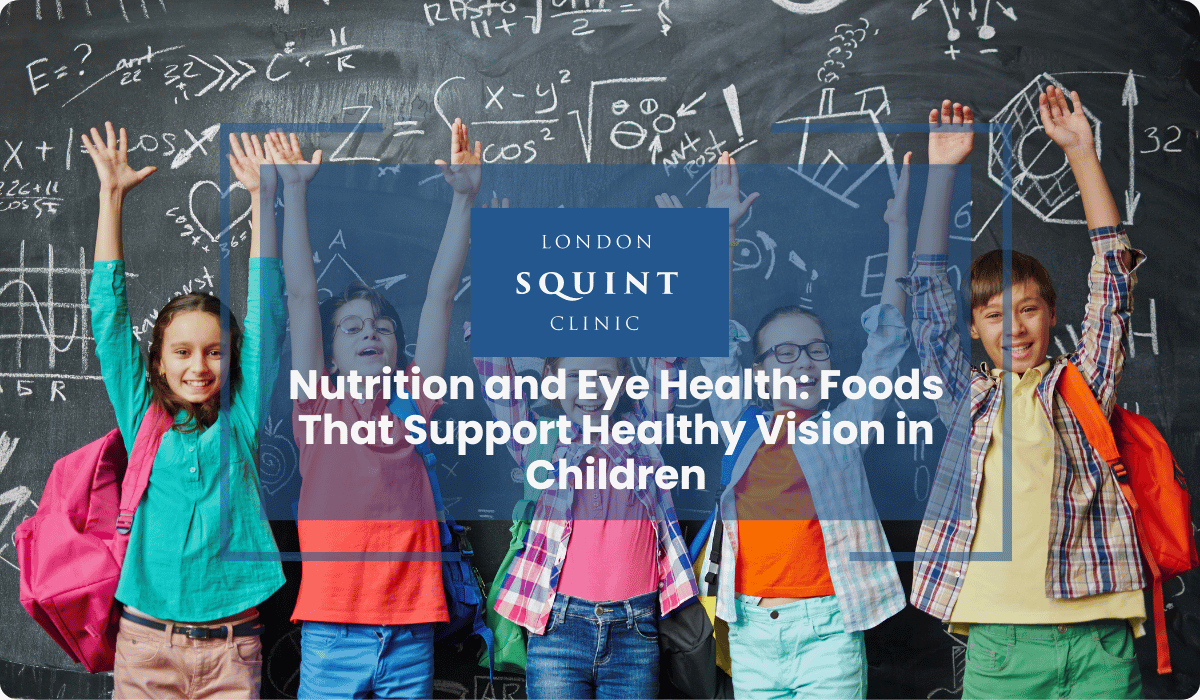
Nutrition and Eye Health: Foods That Support Healthy Vision in Children
Why Choose Private Squint Surgery?
In the UK, squint surgery may be performed via the NHS, through insurance, or as self-pay. NHS treatment is free, but waiting times can be long and surgery is often performed by trainees under supervision. Many operations are carried out by surgeons who mainly specialise in children’s squint rather than adult complex cases.
With insurance, fees are standardised — meaning some leading specialists choose not to participate. Self-pay allows you to choose your surgeon directly and prioritise experience, specialisation, and access.
Many centres quote only a surgical fee. Hospital costs, anaesthetic fees and follow-ups are frequently additional. At London Squint Clinic, everything is included in one transparent package.
Our Complete Package – £10,000
- ✔ Advanced surgery by Mr Ali (one or both eyes)
- ✔ Adjustable sutures where clinically indicated
- ✔ Detailed orthoptic planning
- ✔ All hospital & anaesthetic fees included
- ✔ Post-operative medication
- ✔ Two video follow-ups
- ✔ Face-to-face review appointment
What Makes Us Different
- ✔ 100% focused on adult squint & double vision surgery
- ✔ >95% audited success rate
- ✔ Free re-treatment at 3 months if worse (extremely rare)
- ✔ 24/7 direct WhatsApp access to your surgeon during recovery
- ✔ Optional well-being session & pre-op reassurance call
Initial consultation: from £150
Surgery typically within 4 weeks. No referral required. Self-pay only.
Supporting Children’s Eye Health Through Nutrition
Proper nutrition plays a vital role in supporting children’s eye health and development. A balanced diet rich in essential vitamins, minerals, and antioxidants can help promote clear vision, reduce the risk of certain eye conditions, and lay the foundation for lifelong ocular health. Key nutrients for healthy vision include vitamin A, vitamin C, vitamin E, zinc, and omega-3 fatty acids, which can be obtained through a variety of eye-friendly foods like leafy greens, colourful fruits and vegetables, fatty fish, and whole grains. While a balanced diet is the best way to ensure adequate nutrient intake, supplements may be necessary for children with specific nutritional deficiencies or eye conditions, under the guidance of a healthcare professional. By fostering healthy eating habits early in life and encouraging a love for nutritious, eye-friendly foods, parents and caregivers can set children on the path to lifelong healthy vision.
Here is the blog post content with the requested sections and formatting:
Table of Contents
- The Role of Nutrition in Children’s Eye Development
- Essential Vitamins and Minerals for Healthy Vision
- Omega-3 Fatty Acids: Supporting Eye Health from the Inside Out
- Antioxidant-Rich Foods for Optimal Eye Function
- Can a Balanced Diet Help Prevent Squint in Children?
- Dietary Strategies for Managing Amblyopia and Strabismus
- Supplements for Children’s Eye Health: When Are They Necessary?
- Fostering Healthy Eating Habits for Lifelong Vision
The Role of Nutrition in Children’s Eye Development
Proper nutrition plays a crucial role in supporting healthy eye development in children. From birth through adolescence, the eyes undergo rapid growth and maturation, requiring a steady supply of essential nutrients to ensure optimal function. A balanced diet rich in vitamins, minerals, and antioxidants can help promote clear vision, reduce the risk of certain eye conditions, and lay the foundation for lifelong ocular health. In this article, we will explore the key dietary components that contribute to children’s eye development and discuss strategies for incorporating eye-friendly foods into their daily meals.
Essential Vitamins and Minerals for Healthy Vision
Several vitamins and minerals are particularly important for maintaining healthy vision in children. Vitamin A, found in foods like carrots, sweet potatoes, and spinach, is essential for proper retinal function and night vision. Vitamin C, abundant in citrus fruits and berries, helps protect the eyes from oxidative damage and supports the formation of collagen in the cornea and sclera. Vitamin E, present in nuts, seeds, and vegetable oils, acts as a powerful antioxidant, shielding the eyes from harmful free radicals. Zinc, found in lean meats, poultry, and legumes, plays a vital role in the formation of visual pigments and helps maintain the health of the retina and macula.
Omega-3 Fatty Acids: Supporting Eye Health from the Inside Out
Omega-3 fatty acids, particularly docosahexaenoic acid (DHA) and eicosapentaenoic acid (EPA), are essential for proper visual development in children. These healthy fats, found in fatty fish like salmon, mackerel, and sardines, as well as in flaxseeds and chia seeds, help form the structural components of cell membranes in the retina. Adequate intake of omega-3s has been linked to improved visual acuity, reduced risk of dry eye syndrome, and better overall eye health. Incorporating omega-3-rich foods into children’s diets or considering a high-quality supplement under the guidance of a healthcare professional can help ensure they receive the necessary amounts of these beneficial fats.
Antioxidant-Rich Foods for Optimal Eye Function
Antioxidants are powerful compounds that help protect the eyes from oxidative stress and cellular damage caused by free radicals. Incorporating a variety of antioxidant-rich foods into children’s diets can help maintain optimal eye function and reduce the risk of age-related eye conditions later in life. Brightly coloured fruits and vegetables, such as berries, kale, spinach, and bell peppers, are excellent sources of antioxidants like lutein, zeaxanthin, and beta-carotene. These compounds help filter harmful blue light, protect the macula from damage, and support overall eye health. Encouraging children to eat a rainbow of fruits and vegetables ensures they receive a diverse array of antioxidants to support their developing eyes.
Can a Balanced Diet Help Prevent Squint in Children?
While a balanced diet alone may not prevent the development of squint (strabismus) in children, proper nutrition can support overall eye health and potentially reduce the risk of certain contributing factors. Squint is often caused by imbalances in the eye muscles or abnormalities in the brain’s control of eye movement. However, ensuring that children receive adequate amounts of essential nutrients, such as vitamin A, vitamin C, vitamin E, zinc, and omega-3 fatty acids, can help promote healthy eye muscle development and function. Additionally, maintaining a healthy body weight through a balanced diet and regular exercise may reduce the risk of conditions like childhood obesity, which has been associated with an increased prevalence of squint.
Dietary Strategies for Managing Amblyopia and Strabismus
For children diagnosed with amblyopia (lazy eye) or strabismus (squint), dietary strategies can complement traditional treatment approaches like patching therapy, vision therapy, and corrective lenses. Incorporating foods rich in eye-healthy nutrients, such as leafy greens, colourful fruits and vegetables, fatty fish, and whole grains, can help support overall eye health and visual function. Encouraging children to maintain a balanced diet and healthy body weight may also improve treatment outcomes and reduce the risk of complications associated with these conditions. However, it is essential to note that dietary modifications should not replace prescribed medical treatments and should be discussed with a qualified healthcare professional.
Supplements for Children’s Eye Health: When Are They Necessary?
In most cases, children can obtain the necessary nutrients for healthy eye development through a balanced diet rich in fruits, vegetables, whole grains, lean proteins, and healthy fats. However, in certain situations, eye health supplements may be recommended by a healthcare professional. Children with specific nutritional deficiencies, picky eating habits, or those following restrictive diets may benefit from supplementation to ensure they receive adequate amounts of essential vitamins and minerals. Additionally, children with certain eye conditions, such as severe dry eye syndrome or retinal disorders, may require targeted supplementation under the guidance of an ophthalmologist. It is crucial to consult with a qualified healthcare provider before starting any supplement regimen to ensure safety and appropriateness for the child’s individual needs.
Fostering Healthy Eating Habits for Lifelong Vision
Establishing healthy eating habits early in life can have a lasting impact on children’s eye health and overall well-being. Parents and caregivers play a crucial role in shaping children’s dietary preferences and attitudes towards food. Encouraging a love for nutritious, eye-friendly foods can be achieved through a variety of strategies, such as involving children in meal planning and preparation, setting a positive example by eating a balanced diet themselves, and making mealtimes a pleasant and social experience. Offering a wide range of colourful fruits and vegetables, whole grains, lean proteins, and healthy fats at each meal and snack time can help ensure children receive the necessary nutrients for optimal eye development. By fostering these healthy eating habits from a young age, parents can set their children on the path to lifelong healthy vision.
Frequently Asked Questions
What vitamins are good for children’s eye health?
Vitamins A, C, and E are essential for children’s eye health. Vitamin A helps maintain proper retinal function and night vision, vitamin C protects the eyes from oxidative damage, and vitamin E acts as a powerful antioxidant. Foods rich in these vitamins include carrots, sweet potatoes, citrus fruits, berries, nuts, and seeds.
Are omega-3 fatty acids important for children’s eye development?
Yes, omega-3 fatty acids, particularly DHA and EPA, are crucial for proper visual development in children. These healthy fats help form the structural components of cell membranes in the retina and have been linked to improved visual acuity and reduced risk of dry eye syndrome. Fatty fish, flaxseeds, and chia seeds are excellent sources of omega-3s.
Can a balanced diet help prevent squint in children?
While a balanced diet alone may not prevent squint, proper nutrition can support overall eye health and potentially reduce the risk of certain contributing factors. Ensuring children receive adequate amounts of essential nutrients like vitamins A, C, E, zinc, and omega-3 fatty acids can promote healthy eye muscle development and function.
What dietary strategies can help manage amblyopia and strabismus?
For children with amblyopia or strabismus, incorporating foods rich in eye-healthy nutrients, such as leafy greens, colorful fruits and vegetables, fatty fish, and whole grains, can support overall eye health and visual function. Maintaining a balanced diet and healthy body weight may also improve treatment outcomes and reduce the risk of complications.
When are eye health supplements necessary for children?
In most cases, children can obtain the necessary nutrients for healthy eye development through a balanced diet. However, children with specific nutritional deficiencies, picky eating habits, or those following restrictive diets may benefit from supplementation. Children with certain eye conditions may also require targeted supplementation under the guidance of an ophthalmologist.
How can parents foster healthy eating habits for lifelong vision?
Parents can foster healthy eating habits by involving children in meal planning and preparation, setting a positive example, and making mealtimes pleasant and social. Offering a wide range of colorful fruits and vegetables, whole grains, lean proteins, and healthy fats at each meal and snack time can help ensure children receive the necessary nutrients for optimal eye development.
Related Posts
Find out if you are suitable for Double Vision Treatment
Find out if you could benefit from this life changing surgery by contacting us today
Our most popular procedures


Hello, I’m Nadeem Ali
I’m one of the few eye surgeons in the world with 100% focus on Squint and Double Vision Surgery.
I have 24 years of eye surgery experience, and worked for 13 years as a Consultant at London’s renowned Moorfields Eye Hospital.
In 2023, I left the NHS to focus fully on treating patients from across the world at the London Squint Clinic. You can read more about me here.
There’s lots of information on the website about: squint surgery, double vision surgery and our pricing.
The most rewarding part of my job is hearing patients tell me how squint or double vision surgery has changed their lives. You can hear these stories here.
Mr Nadeem Ali
MA MB BChir MRCOphth FRCSEd(Ophth)