
Intermittent Squint Adults: When Eyes Drift In and Out

Why Choose Private Squint Surgery?
In the UK, squint surgery may be performed via the NHS, through insurance, or as self-pay. NHS treatment is free, but waiting times can be long and surgery is often performed by trainees under supervision. Many operations are carried out by surgeons who mainly specialise in children’s squint rather than adult complex cases.
With insurance, fees are standardised — meaning some leading specialists choose not to participate. Self-pay allows you to choose your surgeon directly and prioritise experience, specialisation, and access.
Many centres quote only a surgical fee. Hospital costs, anaesthetic fees and follow-ups are frequently additional. At London Squint Clinic, everything is included in one transparent package.
Our Complete Package – £10,000
- ✔ Advanced surgery by Mr Ali (one or both eyes)
- ✔ Adjustable sutures where clinically indicated
- ✔ Detailed orthoptic planning
- ✔ All hospital & anaesthetic fees included
- ✔ Post-operative medication
- ✔ Two video follow-ups
- ✔ Face-to-face review appointment
What Makes Us Different
- ✔ 100% focused on adult squint & double vision surgery
- ✔ >95% audited success rate
- ✔ Free re-treatment at 3 months if worse (extremely rare)
- ✔ 24/7 direct WhatsApp access to your surgeon during recovery
- ✔ Optional well-being session & pre-op reassurance call
Initial consultation: from £150
Surgery typically within 4 weeks. No referral required. Self-pay only.
Intermittent Squint Adults
- Intermittent squint (exotropia) in adults causes periodic eye misalignment, typically with one eye drifting outward, and can worsen with fatigue, stress, and bright sunlight.
- Unlike constant strabismus or refractive errors, intermittent exotropia features periods of normal alignment interspersed with episodes of misalignment, often affecting distance vision more than near vision.
- Diagnosis involves comprehensive eye examinations including cover tests, prism tests, and convergence assessments, sometimes requiring multiple visits to capture the intermittent nature of the condition.
- Treatment options range from non-surgical approaches (corrective lenses, prism glasses, orthoptic exercises) to surgical intervention for more severe cases that significantly impact quality of life.
- Practical management strategies include optimizing your visual environment, recognizing personal triggers, developing compensatory techniques, and maintaining consistent medical care.
- Surgery should be considered when episodes increase in frequency, non-surgical treatments prove ineffective, or when the condition significantly impacts quality of life and binocular vision.
Table of Contents
- Understanding Intermittent Squint in Adults: Causes and Symptoms
- How Intermittent Exotropia Differs from Other Eye Conditions
- Why Do My Eyes Occasionally Drift Apart? Triggers Explained
- Diagnosing Intermittent Squint: What to Expect at Your Eye Exam
- Treatment Options for Adults with Intermittent Exotropia
- Living with Intermittent Squint: Practical Management Strategies
- When to Consider Surgery for Intermittent Squint in Adults
Understanding Intermittent Squint in Adults: Causes and Symptoms
Intermittent squint in adults, medically known as intermittent strabismus, is a condition where the eyes occasionally misalign. Unlike constant squints, this condition manifests periodically, with the eyes appearing normal and properly aligned most of the time. The most common form in adults is intermittent exotropia, where one eye temporarily drifts outward.
The underlying causes of intermittent squint in adults are multifaceted. These may include:
- Neurological factors affecting eye muscle control
- Residual childhood squint that becomes more noticeable in adulthood
- Eye muscle weakness or imbalance
- Deterioration of fusion mechanisms that normally keep eyes aligned
- Stress or fatigue that overwhelms the visual system’s compensatory abilities
Symptoms typically include periodic double vision (diplopia), eye strain, headaches, and difficulty with depth perception when the eyes are misaligned. Many patients report that their symptoms worsen during periods of tiredness, illness, or stress. Some individuals may also experience a sensation of their vision “switching” as their brain alternates between the images from each eye. Notably, many adults with intermittent squint develop unconscious mechanisms to suppress the misaligned eye’s vision or turn their head to compensate, which can mask the condition until it progresses further.
How Intermittent Exotropia Differs from Other Eye Conditions
Intermittent exotropia stands apart from other eye conditions in several significant ways. Unlike constant exotropia, where the eye consistently turns outward, intermittent exotropia features periods of normal eye alignment interspersed with episodes of outward deviation. This variability is a defining characteristic that distinguishes it from permanent forms of strabismus.
When compared to esotropia (inward turning of the eye), exotropia presents different visual challenges. While esotropia often causes crossed diplopia (double vision where images appear side by side), exotropia typically results in uncrossed diplopia, where images appear separated horizontally. This distinction is crucial for proper diagnosis and treatment planning.
Intermittent exotropia also differs from convergence insufficiency, though they share some similarities. Convergence insufficiency involves difficulty maintaining proper eye alignment during near tasks but typically doesn’t affect distance vision. In contrast, intermittent exotropia often worsens when focusing on distant objects or during periods of inattention.
Unlike refractive errors such as myopia or hyperopia, which affect visual clarity but not eye alignment, intermittent exotropia primarily impacts binocular vision—the ability of both eyes to work together. While glasses can correct refractive errors, they typically cannot fully resolve intermittent exotropia without additional interventions.
It’s also important to distinguish intermittent exotropia from accommodative esotropia, which is related to focusing efforts and can often be corrected with prescription lenses. Intermittent exotropia generally doesn’t respond as well to optical correction alone.
Why Do My Eyes Occasionally Drift Apart? Triggers Explained
If you experience your eyes drifting apart occasionally, you’re likely dealing with intermittent exotropia. This condition has several common triggers that can exacerbate the misalignment. Understanding these triggers can help you manage the condition more effectively.
Fatigue is perhaps the most common trigger. When you’re tired, the fine motor control and coordination required to keep your eyes aligned becomes more challenging. Many patients report that their eye misalignment is most noticeable at the end of a long day or after insufficient sleep.
Visual concentration can also play a significant role. Paradoxically, both intense visual focus and visual inattention can trigger episodes. During daydreaming or when “zoning out,” the eyes may drift as active control diminishes. Conversely, prolonged concentration on detailed tasks can exhaust the visual system, leading to temporary misalignment.
Environmental factors such as bright sunlight often trigger exotropia episodes. Many patients report their eyes drifting apart when outdoors on sunny days, which is why some wear sunglasses not just for UV protection but to help maintain proper eye alignment.
Stress and anxiety can significantly impact eye alignment. During periods of heightened stress, the neurological systems controlling eye movements may function less efficiently, increasing the frequency of misalignment episodes.
Illness and general health conditions that cause weakness or fatigue can also trigger episodes of eye misalignment. Even mild illnesses like colds can temporarily worsen intermittent exotropia by reducing your overall energy reserves needed for maintaining proper eye alignment.
Understanding your personal triggers is an important step in managing intermittent exotropia and can help inform treatment decisions.
Diagnosing Intermittent Squint: What to Expect at Your Eye Exam
Diagnosing intermittent squint requires a comprehensive eye examination by a specialist ophthalmologist with expertise in strabismus. At London Squint Clinic, the diagnostic process is thorough and designed to capture the intermittent nature of the condition.
Your initial assessment will begin with a detailed medical history, focusing on when you first noticed the eye misalignment, any patterns or triggers, and associated symptoms like double vision or eye strain. Be prepared to discuss whether certain activities or times of day make your symptoms worse, as this information is valuable for diagnosis.
The examination typically includes several specialised tests:
- Cover tests: The doctor will cover and uncover each eye while you focus on a target, observing how your eyes move and realign. This helps quantify the degree of misalignment.
- Prism tests: Special prisms may be used to measure the exact angle of eye deviation.
- Convergence assessment: Your ability to maintain alignment when looking at near objects will be evaluated.
- Sensory testing: Tests to determine how your brain processes images from both eyes and whether you experience suppression (ignoring the image from one eye).
- Ocular motility testing: Assessment of how well your eye muscles function in different directions of gaze.
Since intermittent squint may not be present during your examination, your doctor might attempt to provoke the condition by inducing fatigue or asking you to focus at different distances. In some cases, photographs or video recordings may be used to document the squint when it occurs.
A comprehensive refraction assessment will also be conducted to determine if any underlying refractive errors are contributing to your condition. The diagnostic process aims not only to confirm intermittent exotropia but also to identify its specific characteristics, which will guide treatment recommendations.
Treatment Options for Adults with Intermittent Exotropia
Treatment for intermittent exotropia in adults is tailored to the severity of symptoms, frequency of episodes, and impact on quality of life. At London Squint Clinic, we offer a range of evidence-based approaches, from conservative management to surgical intervention.
Non-surgical options are often the first line of treatment for mild to moderate cases:
- Corrective lenses: While glasses cannot directly fix the misalignment, correcting any underlying refractive errors can reduce eye strain that might trigger episodes.
- Prism glasses: These special lenses can help align images from both eyes, reducing double vision and improving comfort.
- Orthoptic exercises: Specific eye exercises can strengthen binocular vision and improve control over eye alignment. These might include convergence exercises, fusion training, and techniques to enhance eye coordination.
- Vision therapy: More comprehensive than basic exercises, vision therapy is a structured programme designed to improve visual function and eye coordination through progressive exercises.
- Occlusion therapy: Temporarily patching one eye may be recommended in certain cases to address associated amblyopia (lazy eye) or to reduce suppression.
For more severe or persistent cases, surgical intervention may be necessary. Surgery for intermittent exotropia typically involves adjusting the tension of the eye muscles to improve alignment. The specific surgical approach depends on the pattern and magnitude of the misalignment.
Botulinum toxin (Botox) injections represent an intermediate option between non-surgical and surgical treatments. These injections temporarily weaken specific eye muscles, which can help correct alignment in some cases or serve as a diagnostic tool before committing to surgery.
Treatment decisions are made collaboratively between the patient and ophthalmologist, considering factors such as symptom severity, frequency of misalignment episodes, and the impact on daily functioning. Many patients benefit from a combination of approaches tailored to their specific needs.
Living with Intermittent Squint: Practical Management Strategies
Living with intermittent squint requires both medical management and practical lifestyle adjustments. These strategies can help minimise episodes and reduce their impact on your daily life.
Manage your visual environment: Proper lighting is crucial—avoid glare and ensure adequate illumination for reading and close work. Position computer screens at eye level and slightly below to reduce eye strain. Consider using the 20-20-20 rule: every 20 minutes, look at something 20 feet away for 20 seconds to give your eyes a break.
Recognise and mitigate triggers: Keep a diary to identify patterns in when your eyes drift apart. Common triggers include fatigue, stress, illness, and bright sunlight. Wearing quality sunglasses outdoors can help prevent sun-induced episodes. Prioritise adequate sleep and stress management techniques like mindfulness or meditation.
Develop compensatory techniques: Some patients find that gentle pressure on the outer corner of the eye or briefly closing their eyes can help regain alignment during an episode. Others benefit from consciously focusing on a specific point to engage their convergence mechanisms.
Address workplace considerations: If you work at a computer, ensure your workstation is ergonomically optimised. Consider using larger fonts, adjusting screen contrast, and taking regular breaks. Some patients find that tinted computer glasses help reduce eye strain that can trigger misalignment.
Communicate with others: Close friends, family, and colleagues may notice your eye misalignment. Having a simple explanation ready can reduce social anxiety. Most people are understanding once they realise it’s a medical condition.
Maintain consistent care: Follow through with prescribed exercises or vision therapy. Attend regular follow-up appointments with your ophthalmologist to monitor changes in your condition and adjust treatment as needed.
Remember that intermittent exotropia often worsens with fatigue, so pacing yourself throughout the day and prioritising activities that require visual concentration during your peak energy periods can make a significant difference in managing symptoms.
When to Consider Surgery for Intermittent Squint in Adults
The decision to pursue surgical correction for intermittent squint is highly individualised and should be made in consultation with a specialist strabismus surgeon. However, certain indicators suggest when surgery might be the most appropriate treatment option.
Consider surgical intervention when:
- Frequency of episodes is increasing: If your eyes are misaligning more often or for longer periods, this progression may indicate worsening of the condition that could benefit from surgical correction.
- Non-surgical treatments have been ineffective: If you’ve diligently tried vision therapy, exercises, and optical corrections without significant improvement, surgery may be the next logical step.
- Quality of life is significantly affected: When intermittent exotropia causes persistent double vision, headaches, eye strain, or social anxiety that interferes with daily activities or work performance.
- Deterioration of binocular vision: If testing shows declining stereopsis (3D vision) or increasing suppression of one eye’s image, surgery may help preserve visual function.
- Large angle of deviation: Significant misalignment, particularly measuring more than 15-20 prism dioptres, often responds better to surgical correction than to conservative measures.
- Poor control of the deviation: If you find it increasingly difficult to voluntarily realign your eyes when they drift apart.
At London Squint Clinic, our surgical approach for intermittent exotropia typically involves adjusting the tension in the lateral rectus muscles (which pull the eyes outward) and sometimes strengthening the medial rectus muscles (which pull the eyes inward). The specific surgical technique is customised based on measurements of your eye alignment in different gaze positions.
The success rate for intermittent exotropia surgery in adults is generally good, with approximately 80% of patients achieving satisfactory alignment with a single procedure. Some patients may require additional surgery to fine-tune the results. Most importantly, surgery can significantly improve visual comfort, reduce double vision, and enhance depth perception, leading to better quality of life.
Recovery from squint surgery typically takes 2-4 weeks, with most patients able to return to normal activities within 7-10 days. While perfect alignment cannot be guaranteed, most patients experience substantial improvement in both the cosmetic appearance and functional aspects of their vision.
Frequently Asked Questions
Can intermittent squint in adults get worse over time?
Yes, intermittent squint (exotropia) can progressively worsen in adults if left untreated. Many patients experience increasing frequency and duration of misalignment episodes over time. Factors that can accelerate deterioration include chronic fatigue, stress, aging, and prolonged visual tasks. Regular monitoring by an ophthalmologist is recommended as early intervention typically offers better outcomes and may prevent the condition from becoming constant.
Is intermittent exotropia hereditary?
Intermittent exotropia does have a genetic component. Studies show that individuals with a family history of strabismus have a higher risk of developing the condition. However, genetics is just one factor; environmental influences and neurological development also play significant roles. If you have intermittent exotropia, there’s approximately a 20-25% chance that your children may develop some form of strabismus, though not necessarily the same type.
Can stress cause my eyes to drift apart temporarily?
Yes, stress is a well-documented trigger for episodes of intermittent exotropia. During periods of anxiety or emotional stress, the neurological systems controlling eye alignment may function less efficiently. Stress can exhaust the compensatory mechanisms that normally maintain proper eye alignment, leading to temporary misalignment. Stress management techniques such as mindfulness, meditation, and adequate sleep can help reduce the frequency of stress-induced episodes.
Will my intermittent squint affect my ability to drive?
Intermittent squint may affect driving, particularly during episodes when your eyes are misaligned. Double vision or reduced depth perception can impair your ability to judge distances and speeds accurately. In the UK, drivers must meet visual standards including adequate field of vision and visual acuity. If your intermittent exotropia causes frequent double vision while driving, you should discuss this with your ophthalmologist and may need to inform the DVLA. Many patients find that wearing polarized sunglasses while driving helps reduce episodes triggered by bright light.
How successful is surgery for intermittent exotropia in adults?
Surgery for intermittent exotropia in adults has approximately an 80% success rate for achieving satisfactory alignment with a single procedure. Success rates are higher when the condition is intermittent rather than constant. About 20% of patients may require additional surgery to fine-tune results. Factors affecting surgical success include the angle of deviation, duration of the condition, and presence of other visual disorders. Most patients experience significant improvement in visual comfort, reduction in double vision, and enhanced depth perception following surgery.
Can vision therapy alone correct adult intermittent exotropia?
Vision therapy alone can improve control of intermittent exotropia in some adults, particularly in mild to moderate cases. Success depends on the severity of the condition, patient commitment to exercises, and individual factors like age and duration of the problem. Vision therapy typically requires 3-6 months of consistent practice and works best when the patient has good sensory fusion potential. While it may not completely eliminate the condition in all adults, many patients experience reduced frequency of episodes and improved control even if some degree of misalignment persists.
Related Posts

Find out if you are suitable for Double Vision Treatment
Find out if you could benefit from this life changing surgery by contacting us today
Our most popular procedures

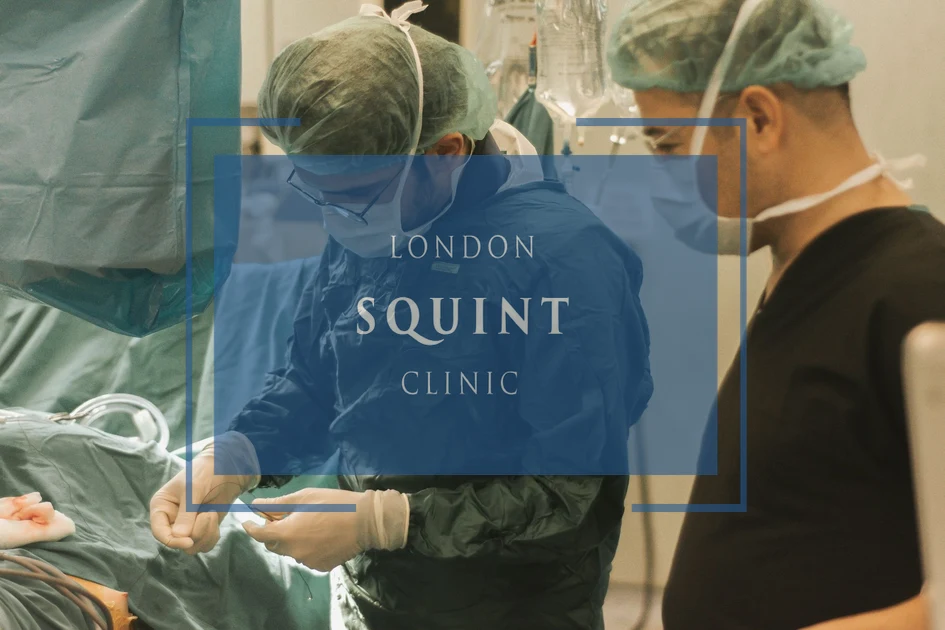

Hello, I’m Nadeem Ali
I’m one of the few eye surgeons in the world with 100% focus on Squint and Double Vision Surgery.
I have 24 years of eye surgery experience, and worked for 13 years as a Consultant at London’s renowned Moorfields Eye Hospital.
In 2023, I left the NHS to focus fully on treating patients from across the world at the London Squint Clinic. You can read more about me here.
There’s lots of information on the website about: squint surgery, double vision surgery and our pricing.
The most rewarding part of my job is hearing patients tell me how squint or double vision surgery has changed their lives. You can hear these stories here.
Mr Nadeem Ali
MA MB BChir MRCOphth FRCSEd(Ophth)