
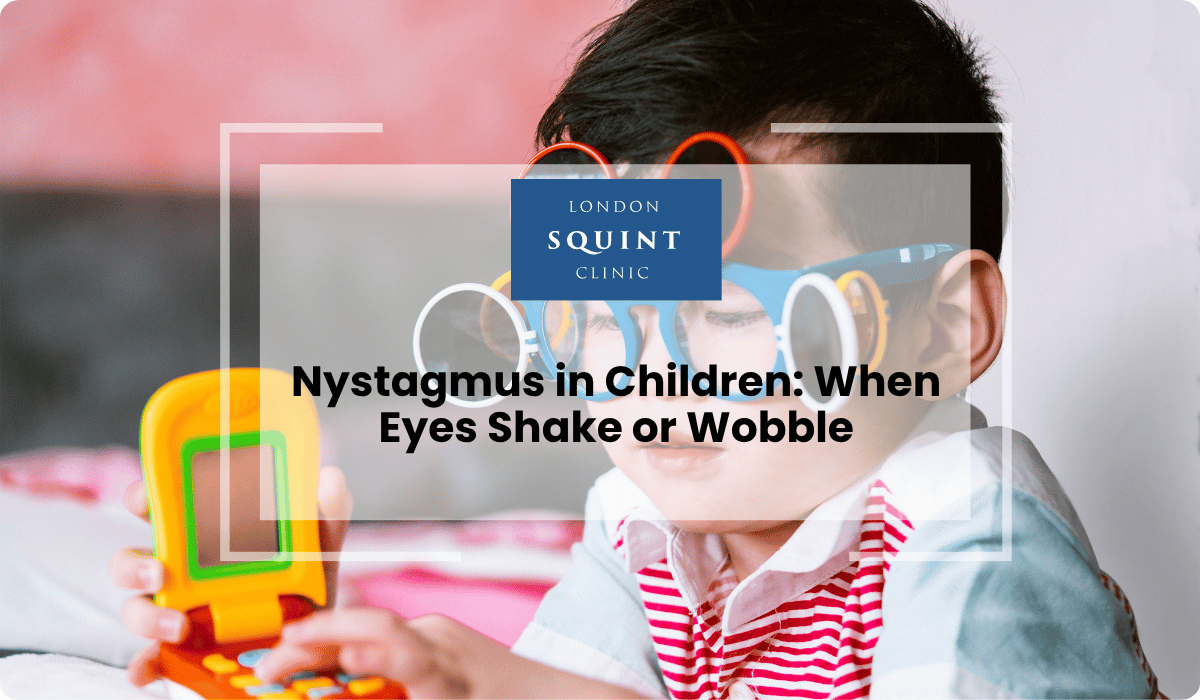
Nystagmus in Children: When Eyes Shake or Wobble
Why Choose Private Squint Surgery?
In the UK, squint surgery may be performed via the NHS, through insurance, or as self-pay. NHS treatment is free, but waiting times can be long and surgery is often performed by trainees under supervision. Many operations are carried out by surgeons who mainly specialise in children’s squint rather than adult complex cases.
With insurance, fees are standardised — meaning some leading specialists choose not to participate. Self-pay allows you to choose your surgeon directly and prioritise experience, specialisation, and access.
Many centres quote only a surgical fee. Hospital costs, anaesthetic fees and follow-ups are frequently additional. At London Squint Clinic, everything is included in one transparent package.
Our Complete Package – £10,000
- ✔ Advanced surgery by Mr Ali (one or both eyes)
- ✔ Adjustable sutures where clinically indicated
- ✔ Detailed orthoptic planning
- ✔ All hospital & anaesthetic fees included
- ✔ Post-operative medication
- ✔ Two video follow-ups
- ✔ Face-to-face review appointment
What Makes Us Different
- ✔ 100% focused on adult squint & double vision surgery
- ✔ >95% audited success rate
- ✔ Free re-treatment at 3 months if worse (extremely rare)
- ✔ 24/7 direct WhatsApp access to your surgeon during recovery
- ✔ Optional well-being session & pre-op reassurance call
Initial consultation: from £150
Surgery typically within 4 weeks. No referral required. Self-pay only.
Essential Insights for Parents of Children with Nystagmus
- Understanding the condition: Nystagmus involves involuntary eye movements that don’t cause the child to see a shaking world, but may reduce visual clarity.
- Early diagnosis matters: Prompt evaluation by a paediatric ophthalmologist is crucial, especially for sudden-onset nystagmus which may indicate serious underlying conditions.
- Visual impact varies: Most children with nystagmus have mild to moderate vision reduction (typically 6/12 to 6/60) but develop effective compensatory strategies.
- Treatment options: While there’s no complete cure, corrective lenses, medications, surgery, and vision therapy can significantly improve visual function.
- Educational support: Classroom accommodations like preferred seating, extended time for reading tasks, and assistive technology can help children thrive academically.
- Outlook is positive: With appropriate support and adaptations, children with nystagmus can lead full, active lives and achieve their potential in education, sports, and social activities.
Table of Contents
- Understanding Nystagmus: Why Children’s Eyes Shake
- Types and Causes of Nystagmus in Children
- How Is Nystagmus Diagnosed in Young Patients?
- Impact of Nystagmus on Vision and Development
- Treatment Options for Children with Eye Wobbling
- Living with Nystagmus: Support and Adaptations
- When to Seek Medical Help for Oscillating Eyes
- Future Outlook: Research and Innovations
Understanding Nystagmus: Why Children’s Eyes Shake
Nystagmus is a condition characterised by involuntary, repetitive movements of the eyes. These movements can be horizontal, vertical, rotary, or a combination of these directions. For parents, noticing their child’s eyes “shaking” or “wobbling” can be concerning, but understanding this condition is the first step toward appropriate management.
In children with nystagmus, the eyes move in a rhythmic pattern because of issues with the parts of the brain that control eye movements or problems with the eyes themselves. These oscillating eye movements typically occur in both eyes simultaneously. The movements may be constant or occur only when looking in certain directions, and they can vary in speed and amplitude.
Children with nystagmus don’t typically experience a sensation of their eyes moving, nor do they see the world as “shaking.” Instead, their brain adapts to these movements, though their vision may be blurred or reduced. Many children develop compensatory mechanisms, such as tilting or turning their head to find a position where the eye movements are minimised—a position known as the “null point.”
Understanding that nystagmus in children represents a neurological or ophthalmological condition rather than a behavioural issue is crucial for parents and caregivers. Early identification and appropriate intervention can significantly impact a child’s visual development and quality of life.
Types and Causes of Nystagmus in Children
Nystagmus in children can be broadly categorised into two main types: congenital (infantile) and acquired nystagmus, each with distinct causes and characteristics.
Congenital or Infantile Nystagmus
This type is present at birth or develops within the first few months of life. Causes include:
- Idiopathic infantile nystagmus: No identifiable underlying cause, often genetic
- Sensory defect nystagmus: Results from poor vision development due to conditions like:
- Congenital cataracts
- Optic nerve hypoplasia
- Albinism
- Achromatopsia (colour blindness)
- Leber congenital amaurosis
- Genetic factors: Several inherited forms exist, including X-linked and autosomal dominant patterns
Acquired Nystagmus
This develops after birth, typically due to neurological or other medical conditions:
- Neurological disorders: Brain tumours, stroke, multiple sclerosis, or head injuries
- Medications: Certain anti-seizure medications, sedatives, or lithium
- Metabolic disorders: Vitamin B12 deficiency or Wernicke’s encephalopathy
- Vestibular disorders: Inner ear problems affecting balance
- Infections: Meningitis, encephalitis, or other infections affecting the brain
Other specific types include spasmus nutans (a temporary condition involving head nodding and nystagmus) and latent nystagmus (triggered when one eye is covered). Understanding the specific type and cause of eye wobbling in children is essential for determining the appropriate treatment approach and prognosis.
How Is Nystagmus Diagnosed in Young Patients?
Diagnosing nystagmus in children requires a comprehensive approach that combines careful observation, specialised testing, and often collaboration between different medical specialists. The diagnostic process typically includes:
Initial Assessment
- Medical history: Detailed information about pregnancy, birth, development, family history of eye conditions, and when the eye movements were first noticed
- Observation of eye movements: Characterising the type, direction, and pattern of nystagmus
- Head positioning: Noting any compensatory head postures that the child adopts to minimise the eye movements
Comprehensive Eye Examination
- Visual acuity testing: Age-appropriate methods to assess how well the child can see
- Refraction: Determining if glasses are needed
- Ocular motility: Examining how the eyes move in different directions
- Slit lamp examination: Detailed examination of the front structures of the eye
- Dilated fundus examination: Examining the retina and optic nerve
- Electroretinogram (ERG): Testing the function of photoreceptors in the retina
Specialised Testing
- Eye movement recordings: Precise measurements of eye movements using specialised equipment
- Optical coherence tomography (OCT): Detailed imaging of the retina and optic nerve
- Genetic testing: Identifying genetic causes of nystagmus
- Neuroimaging: MRI or CT scans to examine brain structures, particularly important in acquired nystagmus
For young children, these examinations are adapted to be age-appropriate and as comfortable as possible. Paediatric ophthalmologists are specially trained to examine children with nystagmus, using techniques that accommodate their developmental stage and potential difficulties with traditional testing methods. Early and accurate diagnosis is crucial for implementing appropriate interventions and support for children with oscillating eyes.
Impact of Nystagmus on Vision and Development
Nystagmus can significantly affect a child’s vision and overall development in various ways, though the extent of impact varies considerably between individuals.
Visual Function Effects
- Reduced visual acuity: Most children with nystagmus have some degree of vision reduction, typically ranging from mild to moderate. Visual acuity often falls between 6/12 and 6/60 (20/40 to 20/200).
- Reduced contrast sensitivity: Difficulty distinguishing objects from backgrounds with similar colours or brightness.
- Depth perception challenges: The constant eye movement can affect binocular vision and stereopsis (3D vision).
- Visual fatigue: Children may experience increased eye strain and fatigue, especially during prolonged visual tasks.
- Slow visual processing: The brain requires additional time to interpret visual information when the eyes are constantly moving.
Developmental Implications
The visual challenges associated with nystagmus can influence various aspects of development:
- Educational impact: Reading, writing, and other classroom activities may be more challenging, potentially affecting academic progress without appropriate support.
- Motor skill development: Activities requiring hand-eye coordination or depth perception may develop more slowly.
- Social interactions: Children may struggle with facial recognition or interpreting subtle visual social cues.
- Physical activities: Sports and playground activities might present additional challenges, particularly those requiring tracking moving objects.
- Self-confidence: The visible nature of nystagmus and associated head postures, along with visual limitations, can sometimes affect a child’s self-esteem.
It’s important to note that many children with nystagmus develop remarkable compensatory strategies and can achieve excellent developmental outcomes with appropriate support. The brain’s neuroplasticity allows for significant adaptation to the visual challenges posed by nystagmus, particularly when intervention begins early. With proper educational accommodations, visual aids, and supportive environments, children with nystagmus can thrive academically and socially.
Treatment Options for Children with Eye Wobbling
While nystagmus cannot typically be completely cured, several treatment approaches can help manage the condition and improve visual function in children. Treatment strategies are tailored to the specific type of nystagmus, its underlying cause, and the individual needs of the child.
Optical Interventions
- Corrective lenses: Glasses or contact lenses to address any refractive errors (short-sightedness, long-sightedness, or astigmatism) that may accompany nystagmus
- Prism glasses: Special lenses that redirect light to help the child use their null point (position of least eye movement) without needing to adopt an abnormal head position
- Contact lenses: Sometimes beneficial as they move with the eye, potentially providing more stable vision than glasses
Medical Treatments
- Medications: Certain drugs may help reduce nystagmus intensity in specific cases, including:
- Memantine
- Gabapentin
- Baclofen
- 4-aminopyridine
- Treatment of underlying conditions: Addressing any causative factors such as neurological disorders or vitamin deficiencies when applicable
Surgical Options
- Kestenbaum procedure: Repositioning the eye muscles to shift the null point to a more central, comfortable head position
- Artificial divergence surgery: Creating a small misalignment of the eyes that can sometimes dampen nystagmus movements
- Tenotomy and reattachment: A procedure that can reduce the intensity of nystagmus movements in some cases
Vision Therapy and Rehabilitation
- Visual biofeedback: Training techniques to help children gain some conscious control over eye movements
- Occupational therapy: Developing compensatory strategies for daily activities affected by visual limitations
- Low vision rehabilitation: Specialised training to maximise use of available vision
The decision about which treatment approach to pursue depends on careful evaluation by a paediatric ophthalmologist, often in consultation with other specialists. For many children with congenital eye conditions, a combination of approaches provides the best outcomes. Treatment plans are regularly reviewed and adjusted as the child grows and their visual needs evolve.
Living with Nystagmus: Support and Adaptations
Children with nystagmus can lead full, active lives with appropriate support and adaptations. Creating an enabling environment both at home and school is essential for helping these children thrive despite their visual challenges.
Educational Accommodations
- Classroom positioning: Seating that allows the child to use their null point comfortably
- Extended time: Additional time for reading tasks and examinations
- Modified materials: Larger print, high-contrast worksheets, and digital formats that can be enlarged
- Reduced visual clutter: Simplified visual presentations with clear spacing
- Verbal instructions: Complementing visual information with clear verbal explanations
- Educational technology: Tablets, screen readers, and other assistive technologies
Visual Aids and Assistive Technology
- Magnification devices: Handheld or electronic magnifiers for reading
- Large-print books: Books with enlarged text to reduce visual strain
- Tablet computers: Devices that allow text and image enlargement
- Screen readers and text-to-speech software: Technology that converts text to audio
- Specialised lighting: Appropriate illumination to enhance contrast and reduce glare
Psychosocial Support
- Peer education: Helping classmates understand nystagmus to foster acceptance
- Support groups: Connecting with other families affected by nystagmus
- Counselling: Professional support for addressing any emotional challenges
- Building self-advocacy skills: Teaching children to communicate their needs effectively
Physical Activities and Sports
- Adapted sports equipment: Modified gear to accommodate visual needs
- Coaching awareness: Ensuring coaches understand the child’s visual capabilities
- Activity selection: Identifying sports and activities that play to the child’s strengths
With appropriate support, children with nystagmus develop remarkable compensatory strategies. Many achieve excellent academic outcomes and participate successfully in a wide range of activities. The key is creating an environment that recognises their unique visual processing needs while encouraging independence and confidence. Parents, educators, and healthcare providers working together can ensure that children with nystagmus have every opportunity to develop their full potential.
When to Seek Medical Help for Oscillating Eyes
Recognising when to seek medical attention for a child with suspected nystagmus is crucial for early intervention. While some forms of nystagmus are present from birth, others develop later and may signal serious underlying conditions requiring prompt medical evaluation.
Signs That Warrant Immediate Medical Attention
- Sudden
Frequently Asked Questions
Will my child with nystagmus be able to see normally?
Most children with nystagmus have reduced visual acuity that typically ranges from mild to moderate impairment (usually between 6/12 and 6/60 or 20/40 to 20/200). While they won’t typically achieve completely “normal” vision, many children develop excellent compensatory strategies. With appropriate optical corrections, accommodations, and support, children with nystagmus can function very well visually and lead full, active lives. The degree of visual impairment varies significantly between individuals and depends on the type and cause of nystagmus.
Can nystagmus in children be cured?
Currently, there is no complete cure for most forms of nystagmus. However, several treatments can significantly improve visual function and quality of life. These include corrective lenses, prism glasses, medications in certain cases, and surgical procedures that can reduce the intensity of eye movements or correct abnormal head postures. Treatment approaches are individualized based on the specific type of nystagmus and its underlying cause. Research into new treatments continues, with promising developments in both medical and surgical interventions.
Is nystagmus in babies something they will outgrow?
Whether babies outgrow nystagmus depends on the specific type and cause. Some temporary forms, like spasmus nutans (which includes head nodding and typically occurs between 6 months and 3 years of age), often resolve spontaneously. However, most forms of congenital or infantile nystagmus persist throughout life, though they may improve somewhat as the child develops. Acquired nystagmus might resolve if the underlying cause can be successfully treated. A thorough evaluation by a pediatric ophthalmologist is essential to determine the specific type and prognosis.
How can I help my child with nystagmus at school?
To support a child with nystagmus at school:
1. Ensure teachers understand the condition and necessary accommodations
2. Arrange preferential seating that allows the child to use their “null point” position
3. Request larger print materials, high-contrast worksheets, and digital formats
4. Advocate for extended time on visual tasks and examinations
5. Consider assistive technology like tablets, magnifiers, or text-to-speech software
6. Develop an Individualized Education Plan (IEP) or 504 Plan documenting needed accommodations
7. Encourage regular communication between teachers, parents, and eye care professionalsCan children with nystagmus play sports?
Yes, children with nystagmus can and should participate in sports and physical activities. While certain visually demanding sports might present more challenges (like tennis or baseball), many children with nystagmus excel in various athletic pursuits. Swimming, running, martial arts, and team sports can be particularly suitable. Adaptations might include using brighter or larger equipment, providing verbal cues alongside visual ones, and ensuring coaches understand the child’s visual capabilities. Physical activity offers important benefits for physical health, social development, and self-confidence for all children, including those with nystagmus.
What causes a baby’s eyes to shake or wobble?
A baby’s eyes may shake or wobble (nystagmus) due to several possible causes:
1. Congenital visual development issues (sensory defect nystagmus)
2. Genetic factors (idiopathic infantile nystagmus)
3. Neurological conditions affecting brain areas that control eye movements
4. Eye conditions like albinism, optic nerve hypoplasia, or congenital cataracts
5. Certain medications or metabolic disorders
6. Inner ear (vestibular) problems affecting balance
Any observation of eye wobbling in infants warrants prompt evaluation by a pediatric ophthalmologist to determine the cause and appropriate management.Does nystagmus affect a child’s intelligence or learning ability?
Nystagmus itself does not affect intelligence or cognitive abilities. Children with nystagmus typically have normal intelligence and learning potential. However, the visual challenges associated with nystagmus may impact certain aspects of learning, particularly tasks requiring sustained visual attention or processing of visual information. With appropriate educational accommodations and support, children with nystagmus can achieve excellent academic outcomes. Any learning difficulties should be addressed with targeted interventions, just as they would be for any child, rather than assumed to be limitations of ability.
Related Posts
Find out if you are suitable for Double Vision Treatment
Find out if you could benefit from this life changing surgery by contacting us today
Our most popular procedures


Hello, I’m Nadeem Ali
I’m one of the few eye surgeons in the world with 100% focus on Squint and Double Vision Surgery.
I have 24 years of eye surgery experience, and worked for 13 years as a Consultant at London’s renowned Moorfields Eye Hospital.
In 2023, I left the NHS to focus fully on treating patients from across the world at the London Squint Clinic. You can read more about me here.
There’s lots of information on the website about: squint surgery, double vision surgery and our pricing.
The most rewarding part of my job is hearing patients tell me how squint or double vision surgery has changed their lives. You can hear these stories here.
Mr Nadeem Ali
MA MB BChir MRCOphth FRCSEd(Ophth)